Can You Apply PPF Over Ceramic Coating? What to Know First
(406) 239-2088 SCHEDULE TODAYIf you’ve already invested in a ceramic coating and are now considering paint protection film (PPF), you’re on the right track. Layering PPF over ceramic combines the chemical resistance and hydrophobic benefits of ceramic with the physical impact defense of PPF. This guide explains how the two technologies work together, what to watch out for, and how to get the best results.
Yes, you can apply PPF over a ceramic coating. The key requirement is ensuring the ceramic has fully cured, typically at least seven days after application, before the film goes on. Proper surface preparation and professional installation are both essential to avoid adhesion issues, trapped contaminants, or air bubbles that could compromise the appearance and performance of either layer.
Ceramic Coating vs. PPF
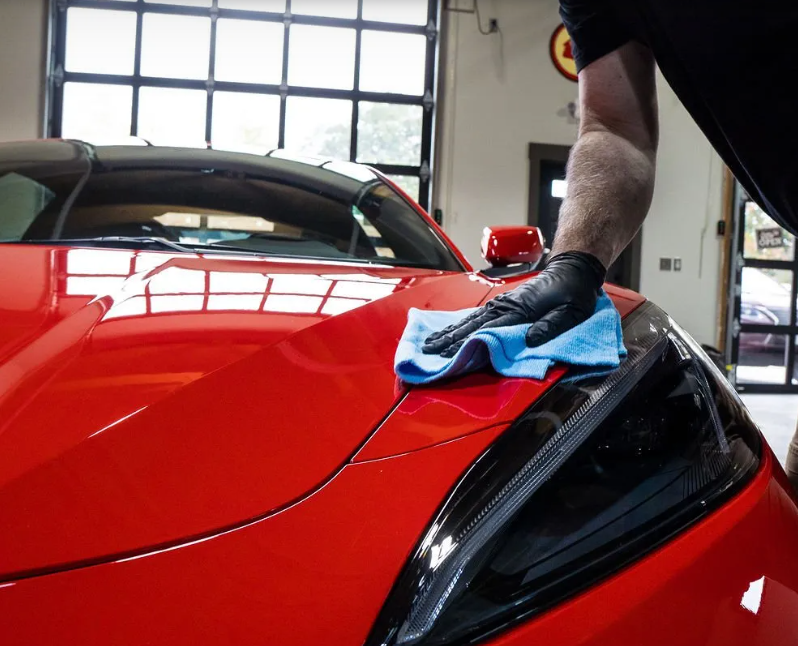
Ceramic coating is a chemically bonded, transparent layer, just one to three microns thick, that creates a hydrophobic surface on your vehicle’s paint. It resists water, dirt, minor scratches, and UV damage, and makes routine cleaning significantly easier. Its limitation is physical protection: ceramic coating is not built to absorb rock chips or deeper impacts.
Paint Protection Film is a thermoplastic urethane layer 150 to 200 microns thick. It acts as a physical barrier on high-impact areas like bumpers, hoods, and headlights, absorbing rock chips, road debris, and minor abrasions. Many PPF products also offer self-healing properties, allowing light surface marks to disappear with heat. PPF typically lasts five to ten years, outlasting most ceramic coatings, which average two to five years.
Together, they address different threats. Ceramic handles the chemistry; PPF handles the physics. The table below shows how costs and coverage compare.
| Feature | Ceramic Coating | Paint Protection Film (PPF) |
|---|---|---|
| Cost | $500 to $2,000 | $1,500 to $4,000+ |
| Duration | 2 to 5 years | 5 to 10 years |
| Maintenance | Low (regular washing, occasional reapplication) | Moderate (careful washing, periodic inspections) |
| Protection | Chemical resistance and minor scratch prevention | Impact absorption and UV protection |
At Imperial Auto Spa, we recommend waiting at least seven days after applying ceramic coating before installing PPF. This ensures the coating’s chemical bonds have fully stabilized and gives the PPF adhesive a clean, properly hardened surface to grip.
Benefits of Layering PPF Over Ceramic
When ceramic and PPF are combined, each layer strengthens what the other cannot do alone. The ceramic’s hydrophobic surface reduces how firmly dirt and water spots bond to the film above it, making washing faster and less abrasive. The car paint protection film acts as a sacrificial barrier: it absorbs physical impacts, self-heals minor scratches, and can be replaced without disturbing the ceramic layer underneath.
The result is a protection system that is greater than the sum of its parts, covering both chemical and mechanical threats while lowering the effort required for day-to-day upkeep.
| Benefit | Ceramic Coating | PPF | Combined Advantage |
|---|---|---|---|
| Scratch Resistance | Moderate (chemical and micro-scratch resistance) | High (physical impact absorption, self-healing) | Enhanced at every level |
| Hydrophobic Surface | Strong water-repellent foundation | Maintained without degradation | Easier cleaning, lasting shine |
| Chemical Defense | Resists environmental etching | Adds physical barrier | Covers both abrasion and chemical damage |
| Replacement | Requires full recoating | Film removable without affecting ceramic | Cost-efficient long-term upkeep |
Common Compatibility Concerns
The most common concern is adhesion. Car ceramic coating create a smooth, chemically stable surface that can challenge PPF adhesives. Adhesion depends almost entirely on how well the coating has cured and how clean the surface is before the film is applied. Applying PPF too soon, before full chemical bonding has occurred, raises the risk of edge lifting or film peeling over time.
Surface preparation is the fix. Wiping the cured coating with isopropyl alcohol before installation removes oils, residues, and fine particles that would prevent proper adhesive contact. As professional installers consistently emphasize: without careful prep, even premium films will fail on top of a ceramic coating.
Chemical compatibility is also worth confirming. Some lower-quality PPF adhesives interact poorly with ceramic polymers, causing hazing or bubbling over time. Products from trusted brands are formulated to work reliably on ceramic-coated surfaces. Before committing, discuss product choices and curing protocols with your installer to eliminate most compatibility issues before they develop.
Troubleshooting Aesthetic Issues
Even with careful installation, occasional visual issues can appear. Here is what causes the most common ones and how to address them.
Air Bubbles
Bubbles form when air or moisture gets trapped between the adhesive and the coated surface during application. Small bubbles often disappear within 24 to 48 hours as the adhesive settles. Persistent ones indicate inadequate prep or a rushed install. If bubbles remain, gently puncture larger ones and smooth flat with a squeegee rather than peeling the film back, which risks damaging the adhesive layer.
Edge Peeling
Edges are the most vulnerable point on a PPF installation over ceramic because the hydrophobic surface reduces adhesive grip at seams. Poor prep, residual waxes, or skipped edge sealing make the problem worse over time. Confirm that edge sealing is part of your installer’s process. It is a small step that prevents the most common long-term failure point.
Discoloration
Slight yellowing or haziness under the film usually results from chemical interaction between the adhesive and the ceramic, or from volatile compounds trapped during a premature installation. Waiting the full seven to fourteen days for ceramic cure eliminates most of this risk. If discoloration appears, prompt consultation with your installer can resolve it through polishing or selective film replacement. At Imperial Auto Spa, catching and addressing these issues early is a standard part of every job.
Best Practices for Layering PPF Over Ceramic
Timing and preparation determine how well the layered system performs. Applying PPF too soon after ceramic coating is the single most common cause of early failure. The coating needs at least seven days to reach full chemical hardness. In cooler or more humid conditions, waiting up to two weeks is the safer choice.
Beyond timing, professional installation matters. A trained technician positions and stretches the film without overstressing edges, uses proper curing environments, and verifies ceramic hardness before proceeding. DIY attempts on a layered system multiply the complexity of both tasks and significantly increase the risk of defects. Most PPF warranties do not cover installation errors.
| Best Practice | Details |
|---|---|
| Allow full curing time | Wait at least 7 days after ceramic coating before applying PPF. Extend to 14 days in cooler or humid conditions. |
| Choose a quality PPF brand | STEK is widely trusted for clarity and self-healing. Confirm compatibility with your ceramic coating brand before proceeding. |
| Use professional installation | Work with an installer experienced in layered systems to minimize adhesion defects and edge lifting. |
| Complete paint correction first | Address all paint imperfections before ceramic coating. PPF locks in whatever is beneath it. |
| Verify cure before applying PPF | Confirm the ceramic has reached full hardness. Premature overlay can compromise both layers. |
Step-by-Step Application Guide
Step 1: Surface preparation. Wash the vehicle with a pH-neutral cleaner, then clay bar the surface to remove tar, iron deposits, and embedded grime. Follow with an isopropyl alcohol wipe to eliminate any remaining oils. The ceramic coating must have fully cured, at least seven days, before any film is applied.
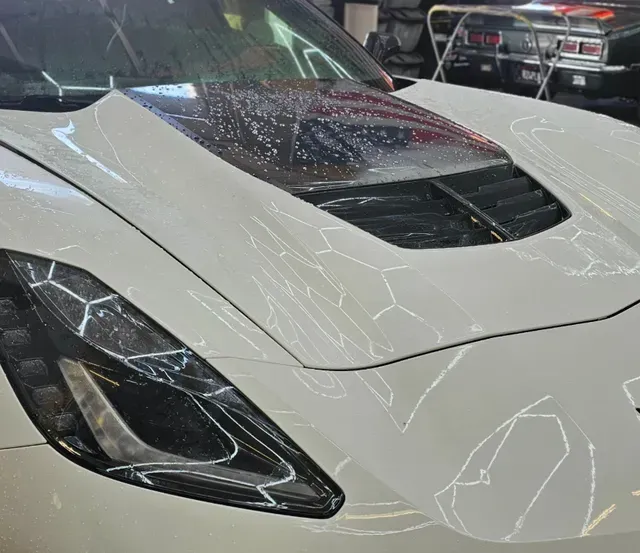
Step 2: Measuring and cutting. Lay each film section over the target panel and mark edges carefully with a non-staining marker. Cut with sharp blades or PPF-specific cutting tools. Cut slightly larger than needed; trimming excess after application is always easier than patching gaps.
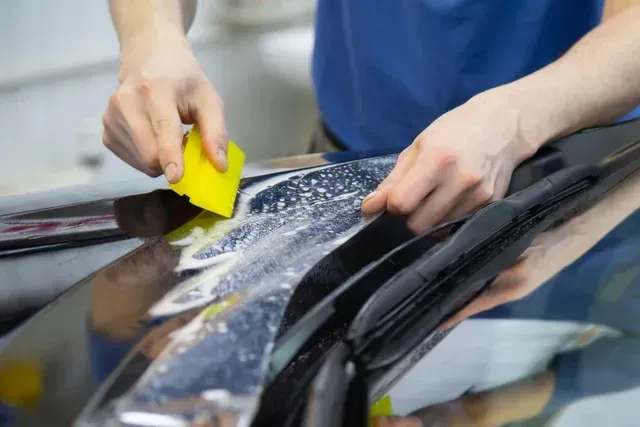
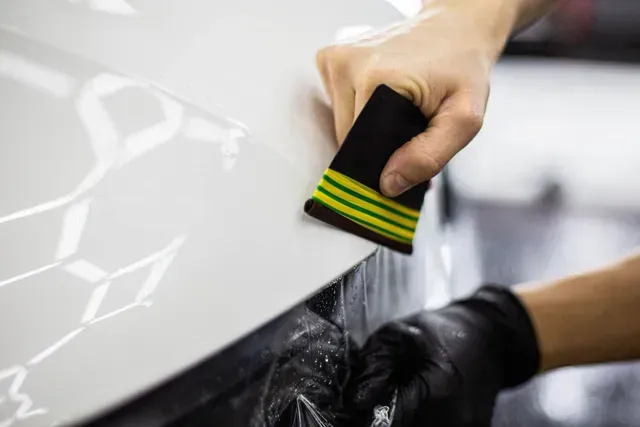
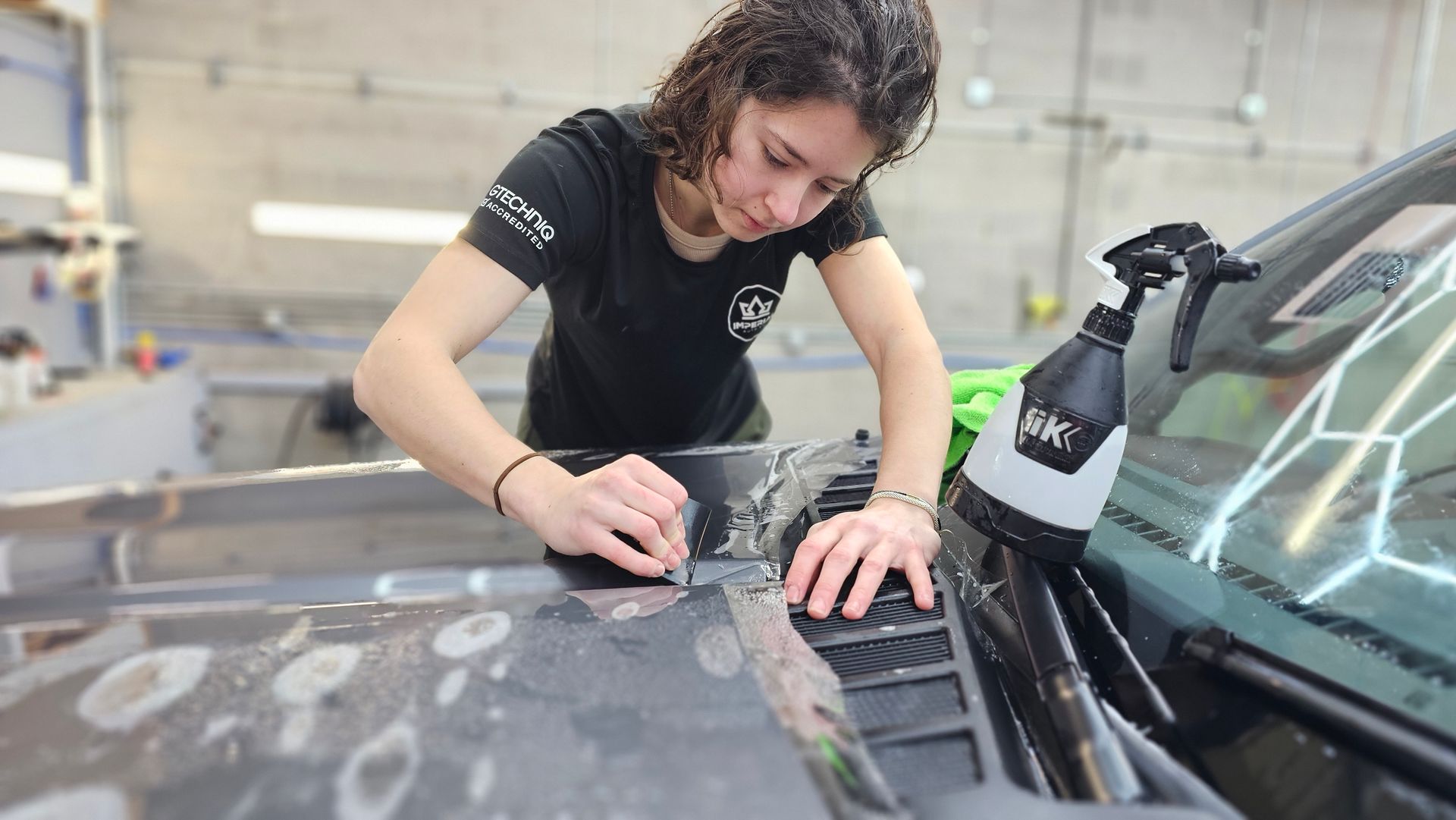
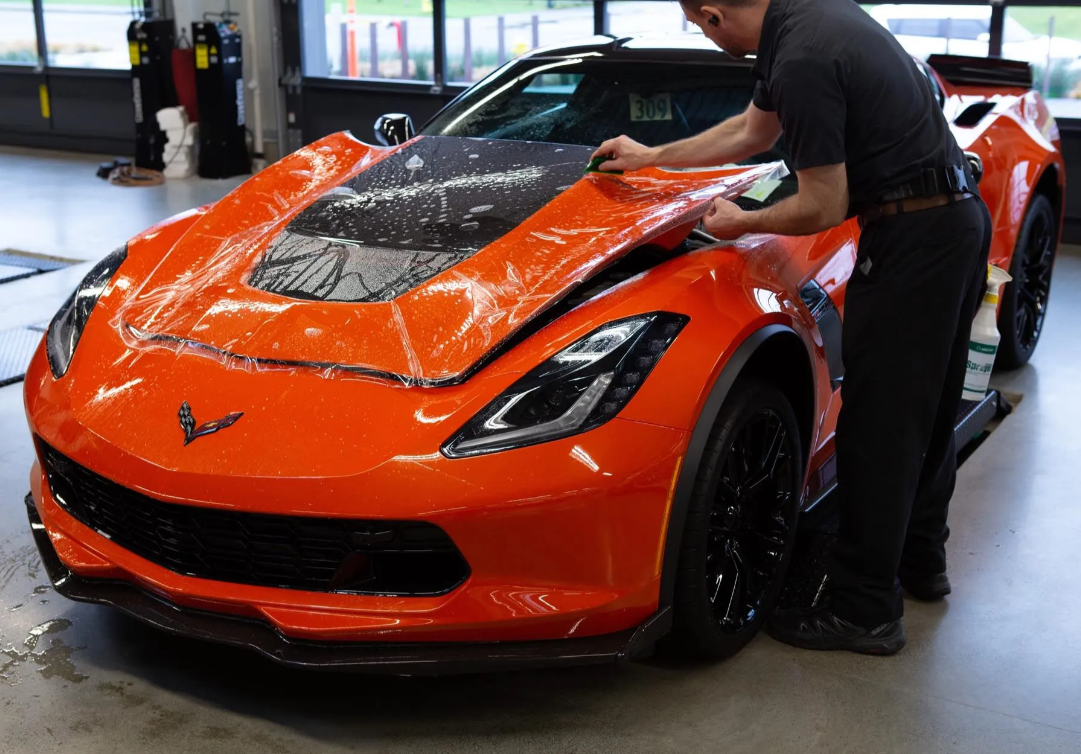
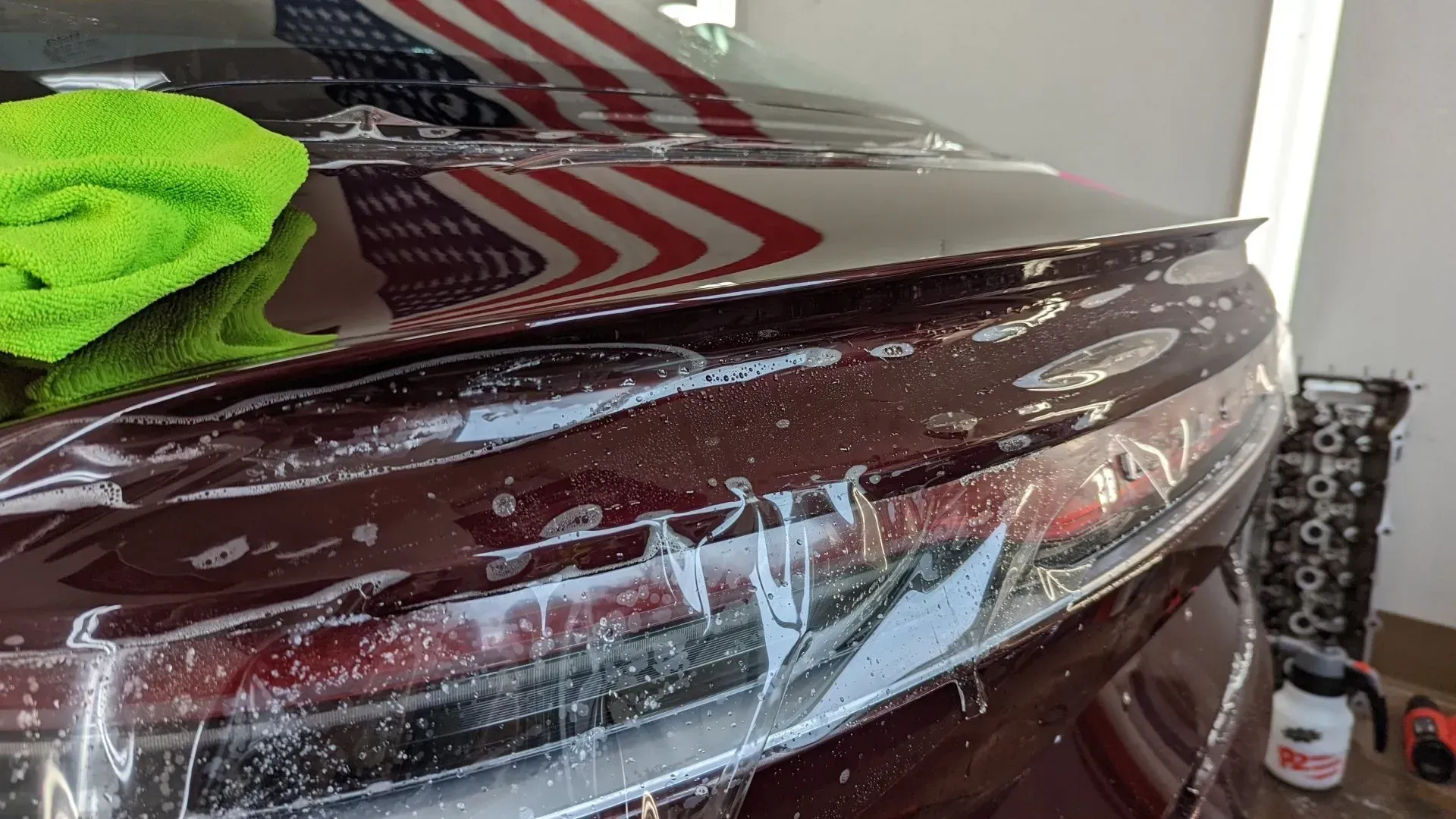
Step 3: Applying the film. Spray a slip solution (water with approximately two percent baby shampoo) on both the adhesive side of the film and the panel surface. Starting from one edge, lay the film down gradually, using a soft squeegee in firm, outward strokes to push out liquid and air. Work slowly; rushing this step is the leading cause of trapped bubbles.
Step 4: Finishing and curing. Press all edges firmly. Prick any remaining small bubbles with a clean needle and smooth flat. Allow at least 24 hours, and ideally 48 hours, before washing the vehicle or exposing it to rain, humidity, or harsh conditions.
Real-World Use Cases
For truck owners in the Missoula area dealing with gravel roads, highway debris, and Montana winters, the layered approach solves two problems at once. The ceramic keeps the film hydrophobic and easy to clean, while the PPF absorbs the rock chips and salt exposure that would otherwise work down to the paint over time.
Off-road vehicles face the added challenge of branch contact and loose rock, where PPF on the leading panels and rocker areas, over a ceramic base, provides the physical protection the driving demands without giving up easy cleanup. Work trucks dealing with job-site grime and seasonal salt see the same payoff in reduced maintenance time and better long-term paint condition.
| Vehicle / Use Type | Primary Concern | Ceramic Coating Benefit | PPF Layering Benefit |
|---|---|---|---|
| Daily driver / highway commute | Rock chips, road debris | Enhances gloss, repels contaminants | Absorbs impacts, prevents chips reaching paint |
| Off-road truck / trail use | Scratches, debris contact | Chemical barrier reduces staining | Physical barrier handles branch and rock contact |
| Work truck / job-site use | Salt, grime, daily wear | Hydrophobic surface speeds up cleaning | Sacrificial film absorbs wear, protecting paint |
Combining PPF with ceramic coating gives your vehicle comprehensive defense against both physical and chemical damage while keeping the finish sharp mile after mile.
Protect Your Vehicle with the Right Combination of PPF and Ceramic Coating
Whether you've already invested in a ceramic coating installation or are considering adding Paint Protection Film for maximum protection, choosing the right installation process is essential for long-term performance. Proper curing times, surface preparation, and expert application help ensure both products work together to keep your vehicle looking its best for years.
At Imperial Auto Spa, our experienced team specializes in paint protection film installation and ceramic coating solutions tailored to your vehicle, driving habits, and protection goals. We use premium materials and proven installation techniques to deliver lasting results that defend against rock chips, road debris, UV exposure, and environmental contaminants.
Ready to upgrade your vehicle's protection? Contact Imperial Auto Spa today or Call us at 406-239-2088 or schedule your consultation and discover the best protection package for your car, truck, or SUV.
Related FAQs
Does ceramic coating need to be removed before applying PPF?
In most cases, Paint Protection Film can be installed over a properly cured ceramic coating as long as the surface is thoroughly cleaned and prepared. Professional installers evaluate the coating's condition before installation to ensure proper film adhesion.
Is it better to apply PPF or ceramic coating first?
For maximum protection, PPF is typically installed first, followed by a ceramic coating on top of the film. However, if a vehicle already has a ceramic coating, PPF can often be applied over it after the coating has fully cured and the surface has been properly prepared.
Will PPF stick properly to a ceramic-coated surface?
Yes, quality PPF can adhere successfully to a ceramic-coated vehicle when the coating has fully cured and the surface is professionally prepped. Improper preparation or installing the film too soon after coating application can increase the risk of lifting or peeling.
Can you apply ceramic coating over Paint Protection Film?
Yes. Many vehicle owners choose to apply a ceramic coating over PPF to enhance gloss, improve hydrophobic performance, and make cleaning easier. Most modern PPF products are compatible with ceramic coatings when installed according to manufacturer guidelines.
Does layering PPF and ceramic coating increase vehicle resale value?
While resale value depends on several factors, maintaining a vehicle's paint condition with PPF and ceramic coating can help preserve its appearance and reduce visible wear. Buyers often appreciate well-protected paintwork, especially on luxury, performance, and newer vehicles.
How long will PPF last when installed over ceramic coating?
High-quality Paint Protection Film typically lasts between five and ten years, depending on the product, environmental conditions, and maintenance practices. The ceramic coating beneath the film does not usually affect the film's lifespan when both products are installed correctly.
Can PPF be removed without damaging the ceramic coating underneath?
In many cases, professionally removed PPF will not damage a properly bonded ceramic coating. However, the condition of the coating, the age of the installation, and the removal process can influence the outcome. An experienced installer can assess whether any touch-up coating may be needed afterward.
Does applying PPF over ceramic coating affect the appearance of the vehicle?
When installed correctly, modern PPF is virtually invisible and should not significantly alter the appearance of the paint. In fact, the combination often helps maintain a glossy, well-protected finish while reducing the visibility of minor surface imperfections over time.