Car PPF vs Vinyl Wrap: Understanding the Key Differences
(406) 239-2088 SCHEDULE TODAYProtecting your vehicle’s finish or giving it a fresh look are two of the most popular reasons owners invest in aftermarket film products. Paint protection film (PPF) and vinyl wraps both involve applying a thin layer to your vehicle’s surface, but they serve very different purposes. This guide breaks down how each option works, what installation involves, what you can expect to spend, and how to decide which one is the right fit for your vehicle and your driving habits.
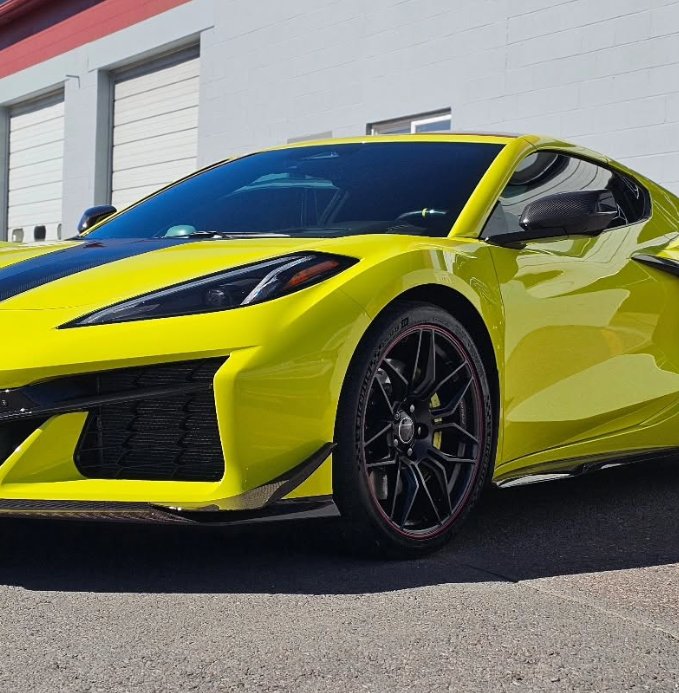
PPF is a transparent, durable film designed to protect your vehicle’s paint from scratches, chips, and minor abrasions. Its self-healing properties make it ideal for long-term protection on high-impact areas. Vinyl wraps focus on aesthetic customization, offering a wide range of colors and finishes but providing limited paint protection and often needing replacement sooner. Many owners combine both, applying PPF on vulnerable sections while using vinyl wraps elsewhere.
Car PPF vs Vinyl Wrap: An Overview
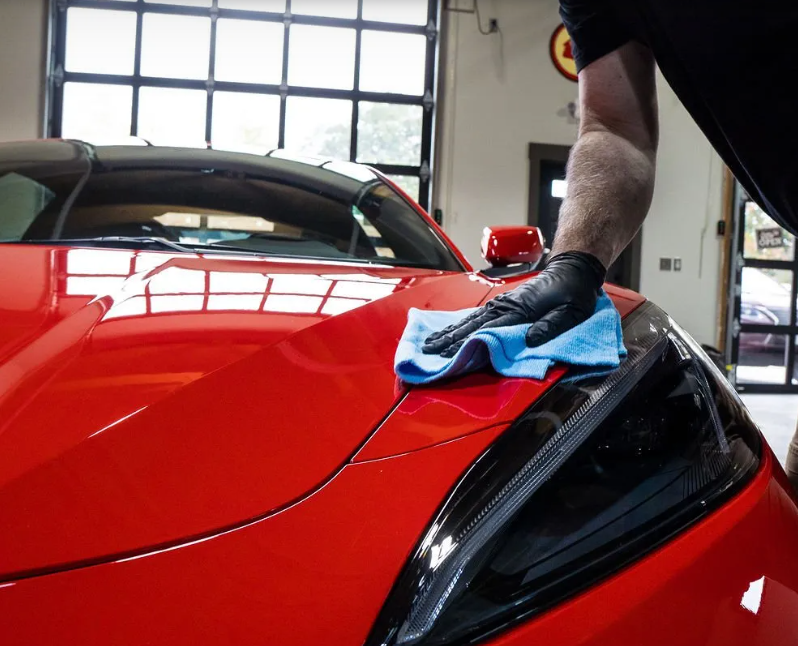
PPF is a nearly invisible urethane film that bonds to your vehicle’s paint, acting as a barrier against stone chips, road debris, UV rays, and minor scratches. Many premium PPF products offer self-healing properties, allowing light surface marks to disappear with heat from sunlight or warm water.
Vinyl wraps are large sheets of colored or patterned material applied over your vehicle’s exterior. Their primary job is appearance, not protection. They let you change your vehicle’s color, add graphics, or explore textured finishes without repainting. Removal and replacement are relatively straightforward, making them popular with owners who want flexibility.
The table below summarizes the key differences at a glance.
| Feature | Paint Protection Film (PPF) | Vinyl Wrap |
|---|---|---|
| Purpose | Primarily protection | Primarily aesthetic customization |
| Appearance | Transparent or limited finishes | Wide variety of colors and textures |
| Install Time | 1 to 3 days | 1 to 2 days |
| Cost (USD) | $1,500 to $5,000+ | $2,000 to $4,000 |
| Durability | 5 to 10 years | 3 to 7 years |
| Maintenance | Gentle washing, occasional polishing | Careful washing, no abrasive cleaners |
| Self-Healing | Yes | No |
| Removal Impact | Generally safe on paint | Possible risk if paint is old or damaged |
| Warranty | Often 5 to 10 years | Typically 3 to 5 years |
Installation Process Explained
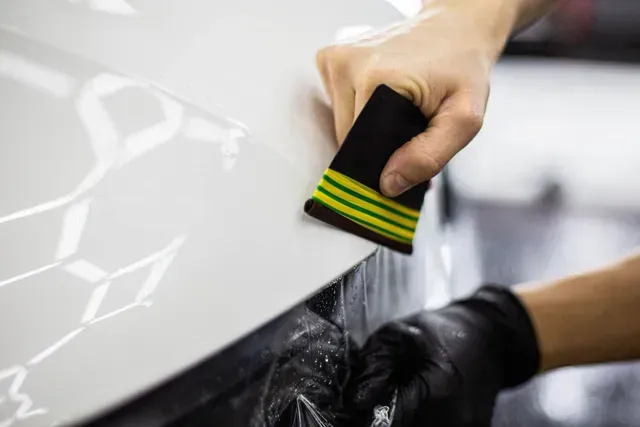
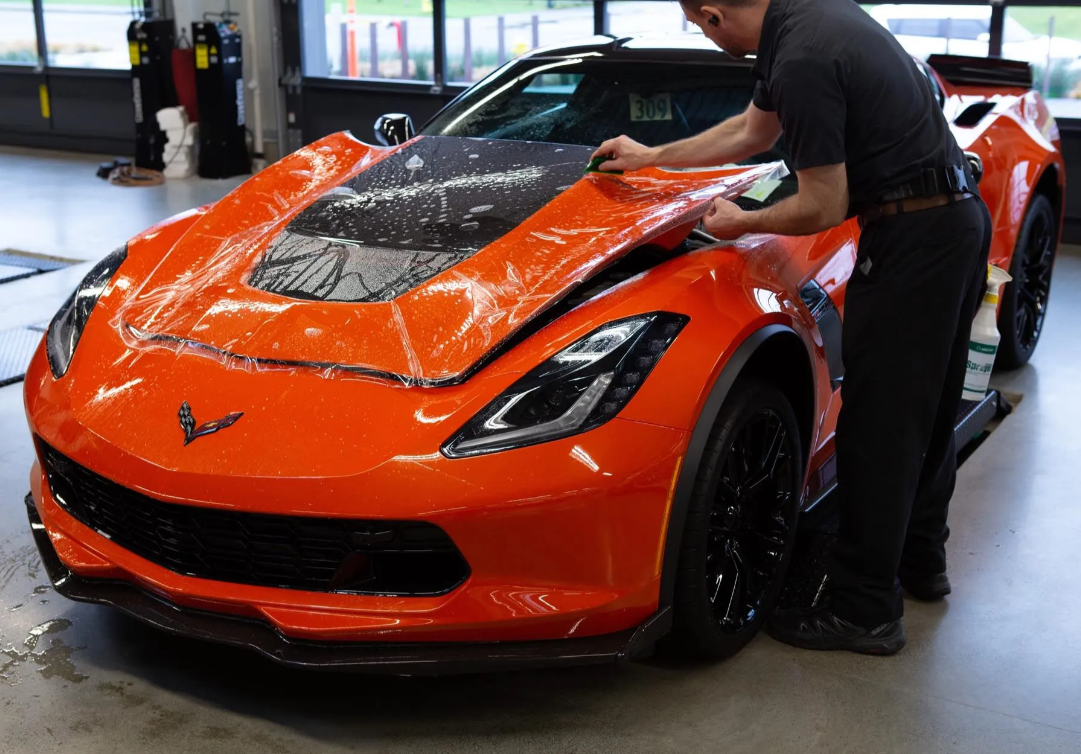
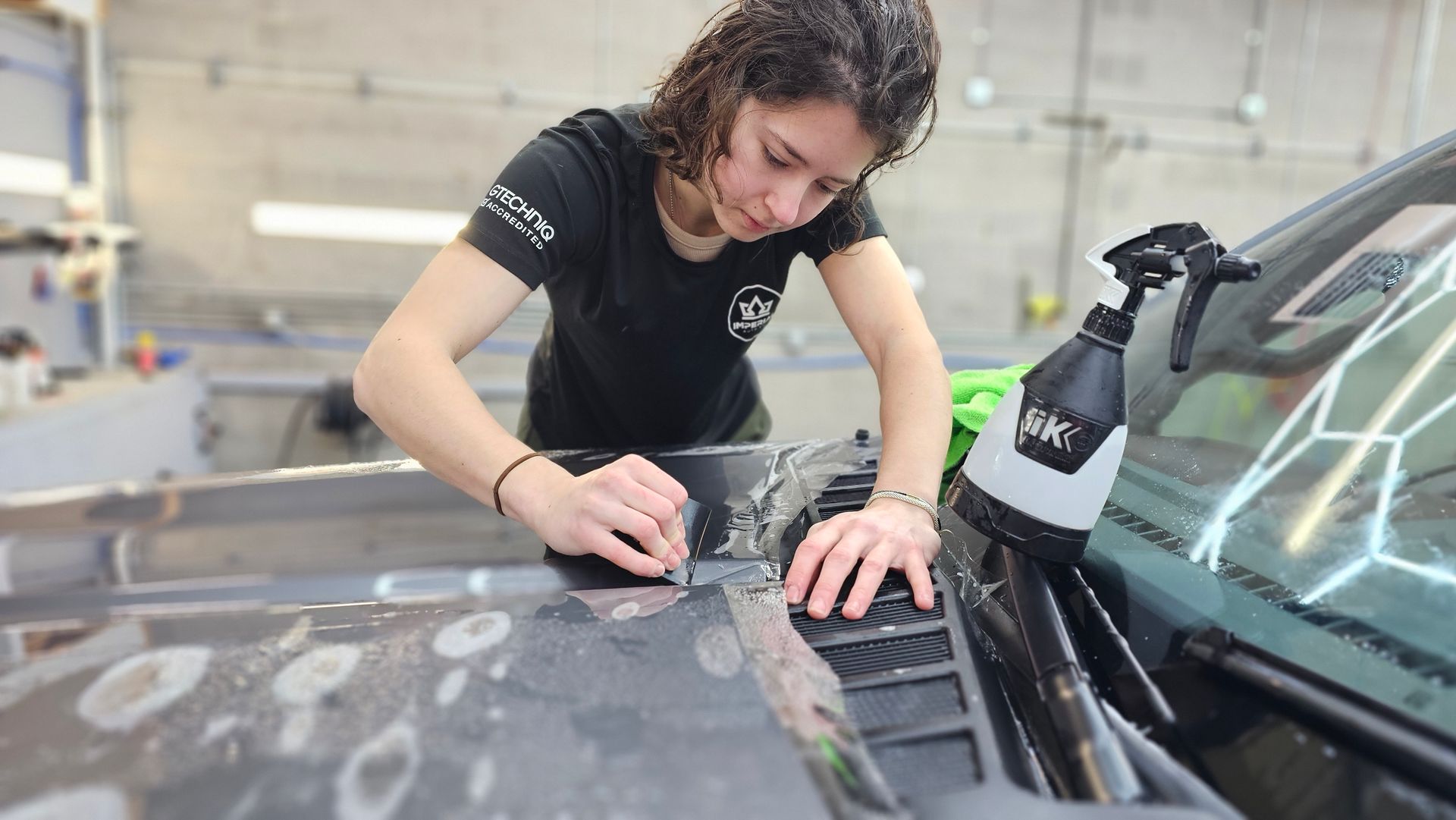
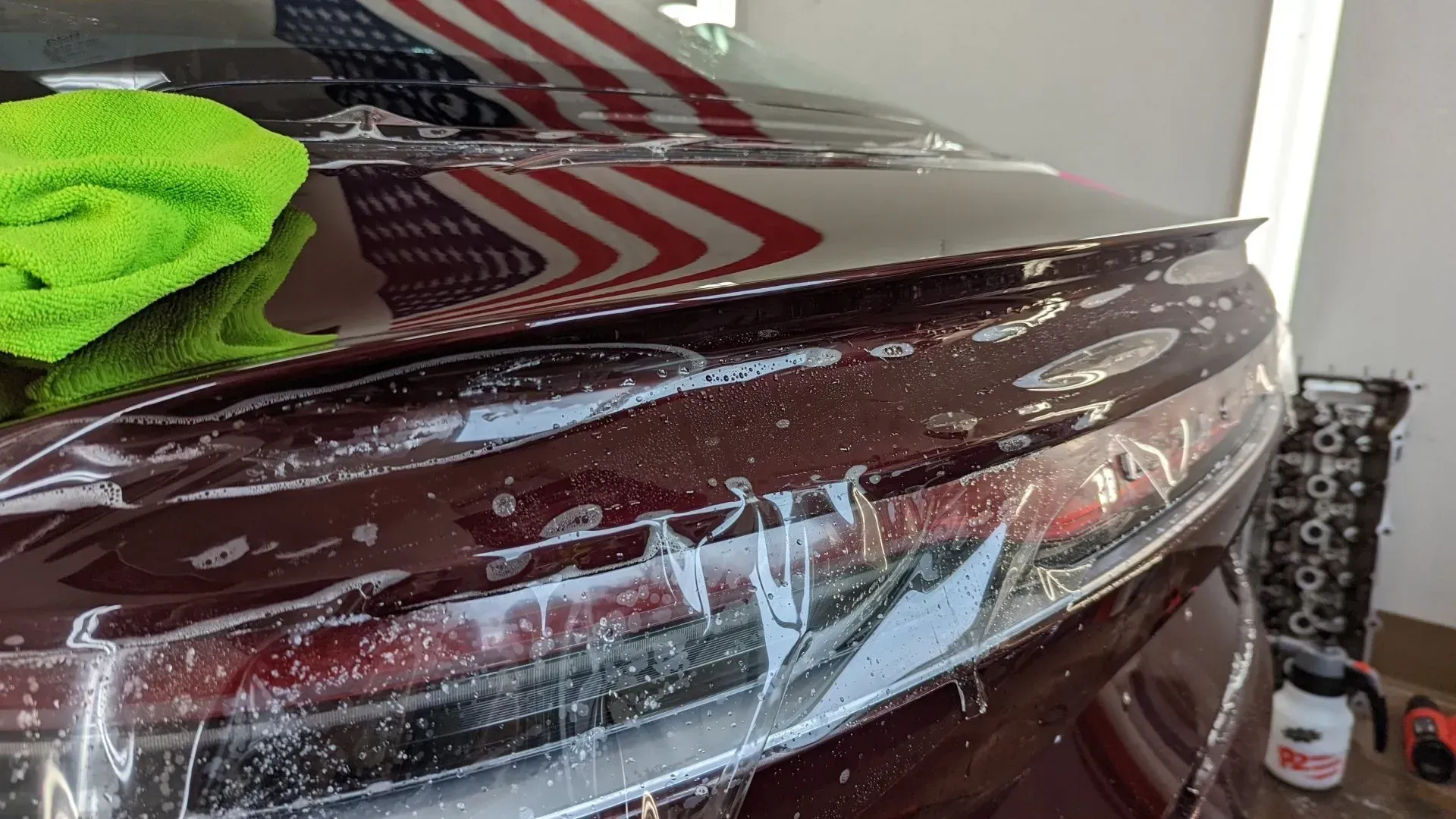
PPF installation demands precision. The vehicle must be thoroughly cleaned before any film goes on, because even a small particle trapped beneath the film can cause bubbles or lift adhesion. Installers apply a slip solution to position the film accurately, then use a squeegee to smooth out air and conform the film to every curve and edge. A full-vehicle install typically takes one to three days. PPF is not a good candidate for DIY; improper handling leads to bubbling and peeling that compromises both the appearance and the protection.
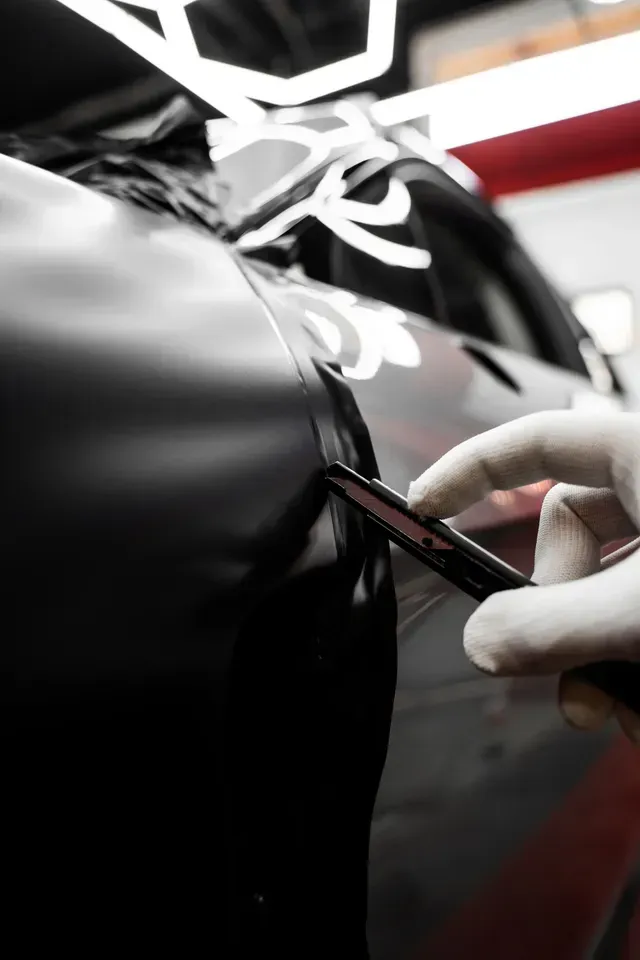
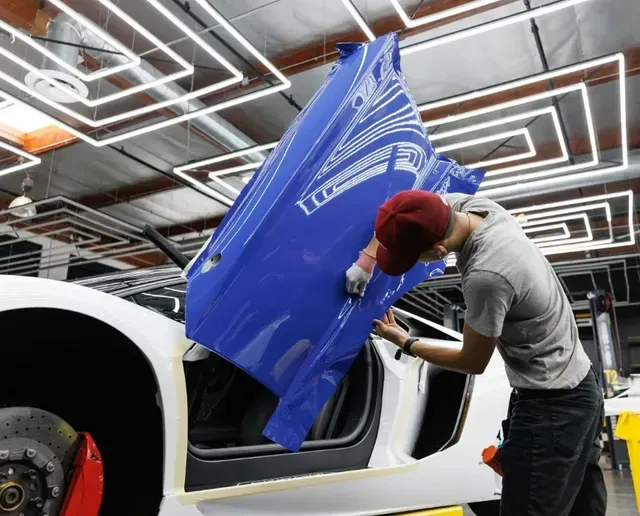
Vinyl wrap installation follows a similar prep sequence but focuses on design rather than defense. Sheets are heated to become pliable, then stretched and squeegeed over panels, door handles, and wheel arches. Most full wraps are completed in one to two days, and some experienced DIY owners take on partial wraps with good results. The typical steps for either product include:
- Thorough surface cleaning and decontamination
- Removal of mirrors, badges, and trim pieces for clean edges
- Precise measuring and cutting of film sections
- Heat application and squeegee work to remove air and seal edges
- Final trimming and reassembly
Budget and Cost Factors
PPF carries a higher upfront cost than vinyl because of the thicker material and the labor-intensive installation. A full-body car ppf installation typically may range from $1,500 to $5,000 or more, depending on vehicle size and coverage level. Film grade also affects price, with premium self-healing films running higher than standard clear options.
Vinyl wraps generally run $2,000 to $4,000 for a full vehicle, though complex multi-color designs or specialty finishes push costs higher. Installation is faster, which reduces labor charges. Keep in mind that vinyl may need replacement every few years, so long-term costs can close the gap.
At Imperial Auto Spa, we emphasize thorough surface prep on every job. Proper prep is what allows PPF to adhere cleanly and vinyl to lay flat. Cutting corners there always leads to premature failure, regardless of film quality.
Aesthetic Differences
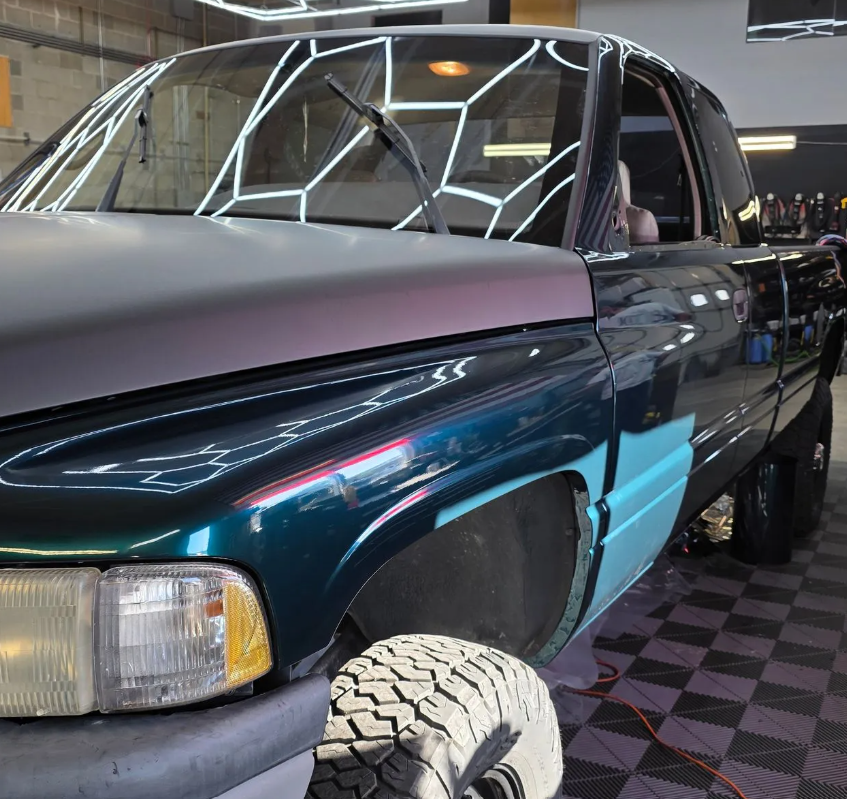
Vinyl wrapping offer a level of creative range that PPF simply cannot match. With over a thousand color and finish options, including glossy, matte, satin, metallic, and textured effects, vinyl lets you redefine your vehicle’s appearance completely. It can also be removed and replaced without damaging the paint underneath, which makes it appealing for owners who like to update their look periodically.
PPF is almost always clear, designed to preserve your factory finish rather than change it. Because it closely mirrors the optical qualities of your vehicle’s clear coat, it maintains paint depth and gloss without the visible-edge issues that can appear on vinyl if installation is less than precise. Newer matte PPF options are available for owners who want a subdued finish with full protective coverage.
| Feature | Vinyl Wrap | Paint Protection Film (PPF) |
|---|---|---|
| Color Options | 1,000+ colors and custom prints | Clear or slightly tinted; limited colors |
| Finish Variety | Glossy, Matte, Satin, Metallic, Textured | Primarily clear gloss; some matte options |
| Visual Impact | Alters original paint tone | Enhances original paint depth and gloss |
| Thickness | 2 to 4 mils; minimal bulk | 6 to 8 mils; preserves panel lines |
| Edge Visibility | Possible at curves if not installed well | Nearly invisible with proper installation |
Durability and Protection
PPF is built for physical defense. Its polyurethane construction absorbs rock chips, resists UV fading, and self-heals minor surface scratches with heat. Most premium products carry five-to-ten-year warranties. On Montana highways and gravel roads, that impact resistance makes a tangible difference in how long a paint job stays clean.
Car vinyl wrap offers moderate scratch protection but are not engineered for impact absorption. Edges can lift and material can tear under sustained road exposure. Most wraps last three to seven years before replacement is needed. The lighter construction that makes vinyl appealing for styling also limits how much physical punishment it can handle.
| Feature | Paint Protection Film (PPF) | Vinyl Wrap |
|---|---|---|
| Average Lifespan | 5 to 10 years (with warranty) | 3 to 7 years |
| Chip/Scratch Defense | Excellent | Moderate |
| UV Protection | High | Moderate |
| Thickness | 150 to 200 microns | 50 to 100 microns |
| Removability | Professional removal; generally safe on paint | Easier to remove; risk of tearing if aged |
Pros and Cons of Each Option
PPF strengths:
- Superior chip and scratch protection, guarding your factory paint against road hazards.
- Long-lasting durability, with warranties that often reach ten years.
- Self-healing surface on premium products that clears minor marks with heat.
The trade-off is cost and installation complexity. PPF requires professional handling on all surfaces, and the upfront investment is higher than vinyl.
Vinyl wrap strengths:
- Wide design and color range for complete visual transformation.
- Lower initial cost, with partial DIY options for smaller sections.
- Easy removal and replacement when you want a new look.
The trade-off is durability. Vinyl is not built for impact resistance and will need replacement more often, especially under hard driving conditions.
Choosing the Right Option for Your Needs
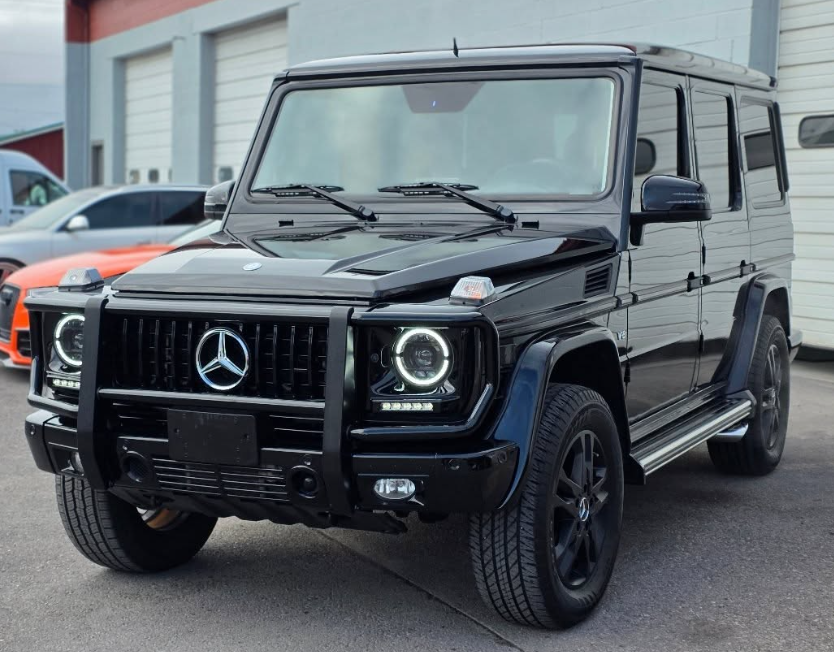
If preserving your vehicle’s original paint against physical damage is the priority, PPF is the stronger choice. It is particularly well-suited to trucks and high-value vehicles that see regular highway miles, gravel roads, or seasonal salt exposure.
If creative flexibility and a transformed appearance matter more than impact defense, vinyl wraps deliver that at a lower upfront cost. Many owners opt for a hybrid approach, applying PPF to the hood, front bumper, and mirrors while using vinyl elsewhere for style.
Both options perform best when installed over properly prepped, corrected paint. Pairing either with ceramic coating adds gloss and makes long-term maintenance easier.
| Factor | Paint Protection Film (PPF) | Vinyl Wrap |
|---|---|---|
| Primary Purpose | High-level paint protection | Aesthetic customization |
| Durability | 5 to 10 years | 3 to 7 years |
| Cost Range (USD) | $1,500 to $5,000+ (full coverage) | $2,000 to $4,000 (full coverage) |
| Install Time | 1 to 3 days | 1 to 2 days |
| Color Options | Limited (clear or matte finishes) | Wide variety of colors and textures |
| Removal | Professional; minimal paint damage risk | Easier; risk increases if left too long |
| Maintenance | Gentle washing, occasional inspection | Regular cleaning; avoid pressure washing |
Still Deciding Between PPF and a Vinyl Wrap?
Choosing between car paint protection film and a vinyl wrap comes down to your goals. If protecting your vehicle from rock chips, road debris, and everyday wear is the priority, PPF offers long-lasting defense and helps preserve your factory finish. If you're looking to transform your vehicle's appearance with a custom color or unique finish, a vinyl wrap provides nearly endless styling possibilities.
At Imperial Auto Spa, we help vehicle owners compare both options and build solutions tailored to their needs, budget, and driving conditions. Whether you're interested in full-body PPF, a custom vinyl wrap, or a combination of both, our team can recommend the right approach to achieve the protection and appearance you're after.
Ready to explore your options? Contact Imperial Auto Spa today or call 406-239-2088 for a free consultation and personalized quote.
Related FAQs
Which is better for protecting a new vehicle: PPF or vinyl wrap?
PPF is generally the better choice for protecting a new vehicle because it is specifically designed to guard against rock chips, scratches, road debris, and UV damage. Vinyl wraps focus primarily on changing the vehicle's appearance and offer only limited protection against physical impacts.
Can you install a vinyl wrap and PPF on the same vehicle?
Yes. Many vehicle owners combine both products by applying PPF to high-impact areas such as the front bumper, hood, fenders, and mirrors while using vinyl wrap on other sections for custom styling. This approach provides both protection and personalization.
Does PPF affect the appearance of factory paint?
High-quality PPF is designed to be nearly invisible and helps preserve the original color, gloss, and depth of the factory paint. Some modern films are also available in matte finishes for owners who want a different look while maintaining paint protection.
Is vinyl wrap cheaper than repainting a vehicle?
In many cases, a vinyl wrap costs less than a high-quality paint job and offers the added benefit of being removable. This allows vehicle owners to change colors or designs without permanently altering the factory finish.
Can PPF or vinyl wrap be applied to a leased vehicle?
Yes. Both PPF and vinyl wraps can be installed on leased vehicles. Since both products are removable, they can help protect the original paint during the lease term and may reduce wear-related charges when the vehicle is returned.
How do you maintain a vehicle with PPF or a vinyl wrap?
Regular hand washing with pH-neutral automotive products is recommended for both PPF and vinyl wraps. Avoid harsh chemicals, abrasive brushes, and automatic car washes that use aggressive cleaning methods, as these can shorten the lifespan of the film.
Does ceramic coating work with both PPF and vinyl wraps?
Yes. Ceramic coatings can be applied to both PPF and vinyl wraps to improve water repellency, reduce contamination buildup, and make routine cleaning easier. Many vehicle owners choose ceramic coatings as an additional layer of surface protection.
Will removing PPF or a vinyl wrap damage the original paint?
When professionally installed and removed, both PPF and vinyl wraps are generally safe for factory paint. However, older paint, existing paint damage, or low-quality aftermarket paintwork may increase the risk of paint lifting during removal.
Is PPF worth the extra cost compared to vinyl wrap?
For drivers focused on preserving paint condition and minimizing damage from road hazards, PPF often justifies its higher cost through superior protection and longer lifespan. Vinyl wraps are typically the better choice for owners who prioritize appearance and customization.
What areas of a vehicle benefit most from PPF installation?
The front bumper, hood, fenders, side mirrors, rocker panels, and door edges typically receive the most impact from road debris and benefit the most from PPF coverage. These areas are often protected even when full-vehicle coverage is not selected.