Ceramic Coating vs. Wax: Why Modern Cars Need Better Protection

Chad Matson • August 20, 2026

When it comes to keeping your car looking great, choosing the right paint protection can feel overwhelming. You might wonder whether a quick wax job is enough or if investing in a ceramic coating will actually pay off. Both have their place, but understanding the real differences helps you pick what suits your needs best. This guide breaks down which option keeps your car shining longer with less hassle.


Ceramic coatings provide a durable, long lasting protective layer that chemically bonds with your car’s paint, offering superior resistance to UV rays, chemical stains, and light scratches, whereas wax forms a temporary barrier that enhances shine but requires frequent reapplication. Modern cars benefit greatly from ceramic coatings because they maintain paint integrity and gloss for years with minimal upkeep, making them ideal for preserving vehicle value and appearance in today’s demanding environments.


Modern Car Surface Requirements


Today’s vehicles feature sophisticated multi layer paint systems: a base coat for adhesion, a color coat for vibrancy, and a clear coat as a glossy shield. This clear coat is what gives a car its shine and acts as the frontline defense against damage.


However, these layers are vulnerable. UV rays accelerate fading over time, and when combined with pollution, the clear coat wears down faster. Urban pollutants, acid rain, and organic contaminants like bird droppings or tree sap deliver acids that chemically erode the finish, causing pitting or discoloration that no simple wash can remove once set in. In Montana, add gravel road chips, winter road salt, and intense high elevation sun to the mix, and you have the perfect storm that can degrade a car’s appearance rapidly without proper safeguards.


This is why modern maintenance routines emphasize specialized protection tailored to these advanced finishes. Neglecting paint care doesn’t just harm looks. It risks costly repairs such as repainting or panel replacement down the line.


Ceramic Coating vs. Wax: Key Differences and Protective Benefits


The core distinction lies in how these products interact with your car’s paint. Ceramic coatings chemically bond with the surface, creating a durable, semi permanent shield that resists the elements and everyday wear. Wax sits on top of your paint layer to add shine and smoothness but wears away relatively quickly.


Ceramic coatings fend off UV rays that cause fading, resist damage from harsh chemicals found in bird droppings or acid rain, and reduce the appearance of tiny scratches by forming a tough yet invisible barrier. They also deliver outstanding hydrophobicity, meaning water beads up and rolls off effortlessly, carrying dirt with it and making washing far less frequent.


Wax, whether natural carnauba or synthetic, is prized for the warm, glossy finish it delivers immediately after application. It does create water beading, but not with the same tenacity. Droplets linger longer and can lead to water spots. Wax also provides no meaningful scratch resistance, something ceramic coatings handle at a moderate level.

The body content of your post goes here. To edit this text, click on it and delete this default text and start typing your own or paste your own from a different source.

Feature Ceramic Coating Wax
UV Protection Superior Moderate
Chemical Resistance High Low
Hydrophobicity Excellent Good
Scratch Resistance Moderate None
Lasting Gloss Years Weeks to months

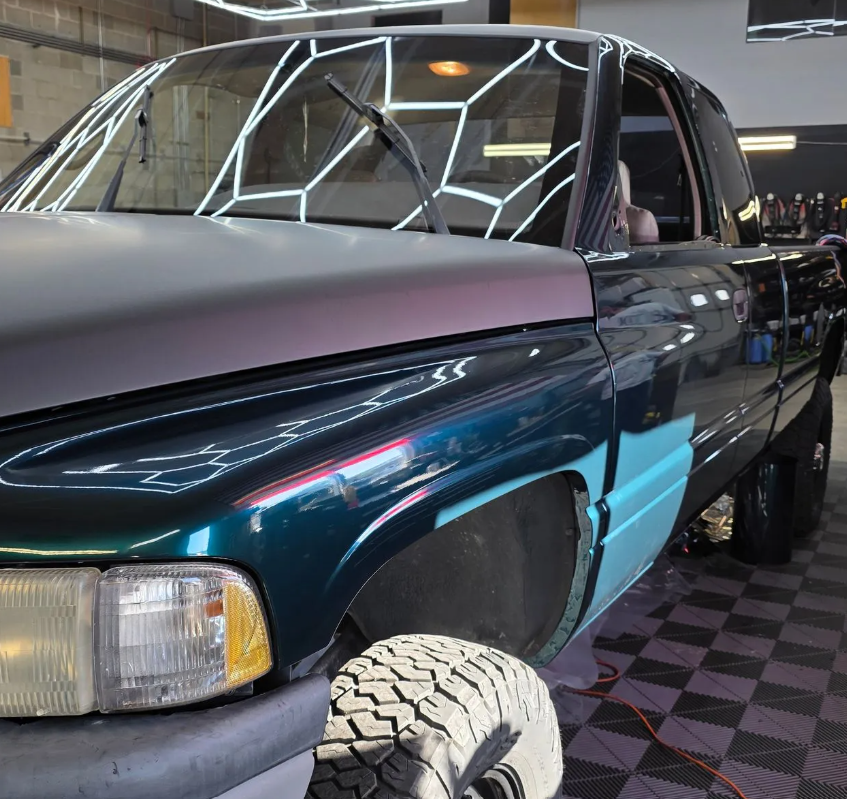
Consider a truck owner who regularly drives gravel back roads and forest trails. After waxing his vehicle, dust and road grime clung stubbornly to every panel. Switching to ceramic coating transformed his experience: mud and gravel dust slid off easily thanks to the coating’s hydrophobic properties, keeping his truck cleaner much longer without constant reapplication.

Durability of Ceramic Coating


Ceramic coatings stand apart because of how long they protect your vehicle. While a quality wax might keep your car gleaming for a couple of months, ceramic coatings maintain their protective shine for years. This difference stems from how ceramic coatings chemically bond with the clear coat, forming a hard, transparent layer made mostly of silicon dioxide, a compound similar to quartz.


Professional grade coatings typically last between three to five years when multiple layers are applied by skilled technicians. Consumer DIY kits usually provide six to twelve months of effective protection, with water repelling properties diminishing noticeably after four to six months.


Longevity depends on external factors like sun exposure, pollutants, and contact with road salts. For well maintained vehicles in climates with distinct seasons, like Montana’s mix of harsh winters and strong summer sun, professional grade coatings hold their defenses well when paired with proper care. Regular hand washing with pH neutral soaps and avoiding automated car washes protect the integrity of the ceramic layer.


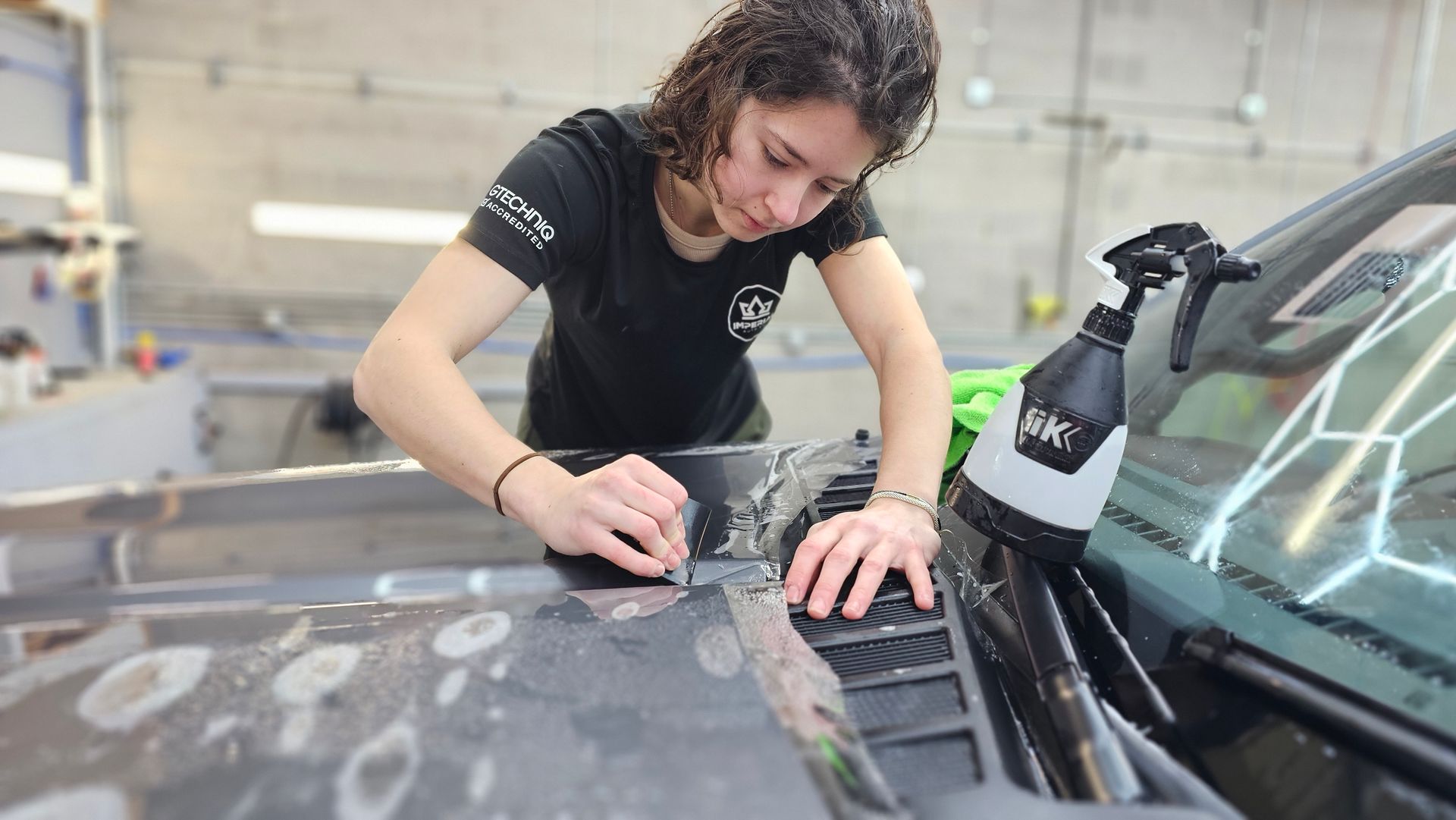
At Imperial Auto Spa, we emphasize thorough surface preparation before coating application. Paint decontamination and polishing ensure the coating bonds properly for maximum longevity. Using Gtechniq ceramic coatings, our team delivers professional installation paired with the meticulous prep work that yields the best real world results.


Ease of Wax Application


Waxing is praised for its straightforward process: clean and dry the surface, spread wax evenly using circular motions with a foam or microfiber pad, let it haze for a few minutes, then buff it off with a clean microfiber towel. The glossy result is immediate and satisfying without complex equipment or professional skills.


The trade off is that wax wears off quickly, especially when exposed to sunlight, rain, and frequent washes. You’ll be repeating the process every few weeks or months to maintain results. For drivers who enjoy hands on detailing and want an affordable upkeep option, waxing remains attractive. But for those who want lasting protection without repeated labor, ceramic coatings are the stronger choice.


Cost and Long Term Value


At first glance, waxing seems like the clear winner on price. A container of wax costs $20 to $100, compared to $500 to $2,000 for professional ceramic coating. But ceramic coatings last three to five years or more, while wax needs reapplication every few months. Reapplying wax four times per year for five years pushes total costs into the $400 to $700 range in materials alone, not counting time and effort.


Many vehicle owners who switch from wax to professional ceramic coating report both financial savings over time and significantly less time spent on maintenance. For busy professionals and families, not carving out weekends for waxing sessions is a real benefit.


Factor Ceramic Coating Wax
Initial Cost $500 to $2,000 $20 to $100
Longevity 3 to 5+ years Few weeks to 3 months
Maintenance Frequency Once every 1 to 2 years Every 1 to 3 months
Time Investment Minimal after application Regular applications required
Protection Level High: UV, scratches, chemicals Moderate: primarily shine
Long Term Cost (5 years) Generally lower overall Can exceed $400 to $700

Ceramic coatings also deliver superior protection against UV rays, bird droppings, and road contaminants, which helps maintain resale value over time. Wax creates a glossy shine temporarily but doesn’t provide this level of defense.


Choosing the Best Option for Your Car


If you prioritize durable, chemical resistant protection that stands up against road salt, gravel, and intense UV, ceramic coatings offer a significant advantage with minimal reapplication. If you enjoy the hands on aspect of detailing and want an affordable maintenance ritual, waxing has its own appeal with a fraction of the upfront cost.


Your choice depends on how much time, money, and effort you’re willing to invest, balanced against how long lasting and resistant you want your car’s finish to be.


Give Your Vehicle Long-Lasting Paint Protection


Wax can provide a quick shine, but ceramic coating offers longer-lasting protection against UV rays, chemical stains, road contaminants, and everyday wear. If you want to spend less time reapplying protection while keeping your vehicle looking its best, a professional ceramic coating may be the better choice.

At Imperial Auto Spa, we specialize in professional Gtechniq ceramic coatings and meticulous surface preparation to help maximize protection and longevity. Whether you drive a daily commuter, truck, or weekend vehicle, we can recommend the right protection for your needs.


Ready to protect your vehicle? Contact at 406-239-2088 for a free ceramic coating quote today or get a free consultation online.


Frequently Asked Questions


How does ceramic coating compare to traditional wax in terms of durability?

Ceramic coating significantly outperforms traditional wax. Wax typically lasts around 4 to 6 weeks, while ceramic coatings can protect your car’s paint for 2 to 5 years or longer with proper maintenance. Their strong chemical bonds resist washing, UV rays, and minor scratches, making them ideal for owners who want reliable protection without constant reapplication.


Can ceramic coatings help maintain the resale value of modern vehicles?

Yes. Ceramic coatings protect paint from scratches, UV damage, and dirt buildup, all of which reduce value over time. The long lasting gloss and durable protection help keep a vehicle looking showroom fresh for years, which can make a meaningful difference when it comes time to sell or trade in.


What protective benefits does ceramic coating offer for modern car paint finishes?

Ceramic coating creates a durable, hydrophobic layer that resists scratches, UV rays, chemical stains, and oxidation far better than traditional wax. Its nano ceramic particles bond chemically with the paint, providing enhanced hardness and making dirt and water slide off effortlessly. This is especially valuable for vehicles exposed to harsh conditions like gravel roads, winter salt, and strong sun.


Is ceramic coating cost effective compared to waxing over the long term?

Despite a higher upfront cost, ceramic coating is generally more cost effective over time. Waxing needs reapplication every 4 to 8 weeks, and those material and time costs add up. A quality ceramic coating can last 2 to 5 years with minimal maintenance, saving on repeated labor and materials while providing superior environmental protection.


How often should ceramic coatings be applied versus regular waxing?

Ceramic coatings typically need to be applied once every 2 to 5 years, whereas regular waxing should be done every 6 to 8 weeks. This reduction in maintenance frequency is one of the biggest practical advantages of ceramic coating, saving significant time and effort over the life of the vehicle.

Share this article

Recent Posts

Common PPF Myths
By Chad Matson August 25, 2026
Discover the truth behind common PPF myths, including yellowing, paint damage, maintenance, DIY installation, and protection benefits.
car ppf
By Detailers Roadmap SEO June 25, 2026
Learn the differences between PPF and vinyl wraps, including cost, lifespan, protection levels, and customization options.
PPF over ceramic coating
By Detailers Roadmap SEO June 25, 2026
Learn if PPF can be applied over ceramic coating, key installation tips, curing times, benefits, and common mistakes to avoid.
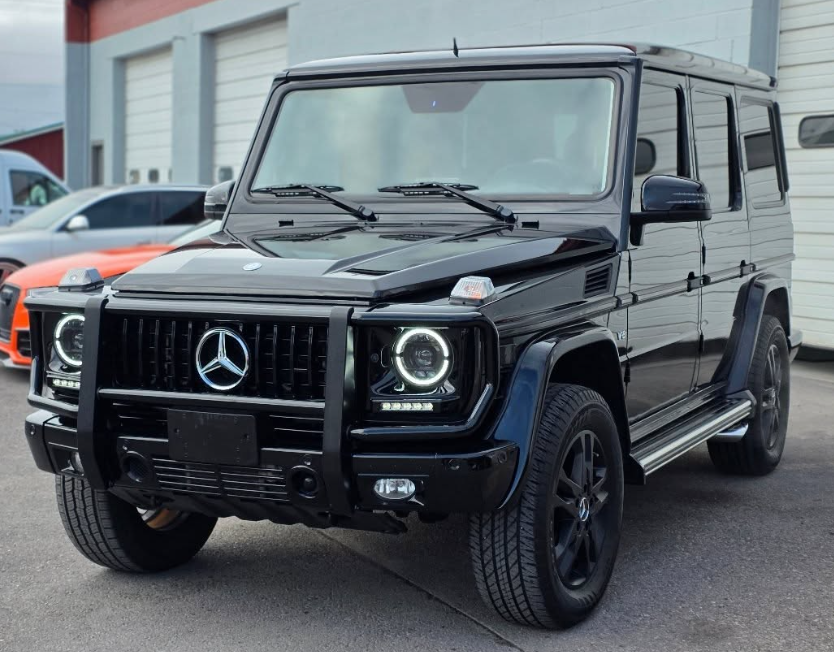
Black Mercedes-Benz G-Class SUV parked outside a building, front view.
May 26, 2026
Learn how to install Paint Protection Film with this beginner-friendly DIY guide covering prep, application, and maintenance.
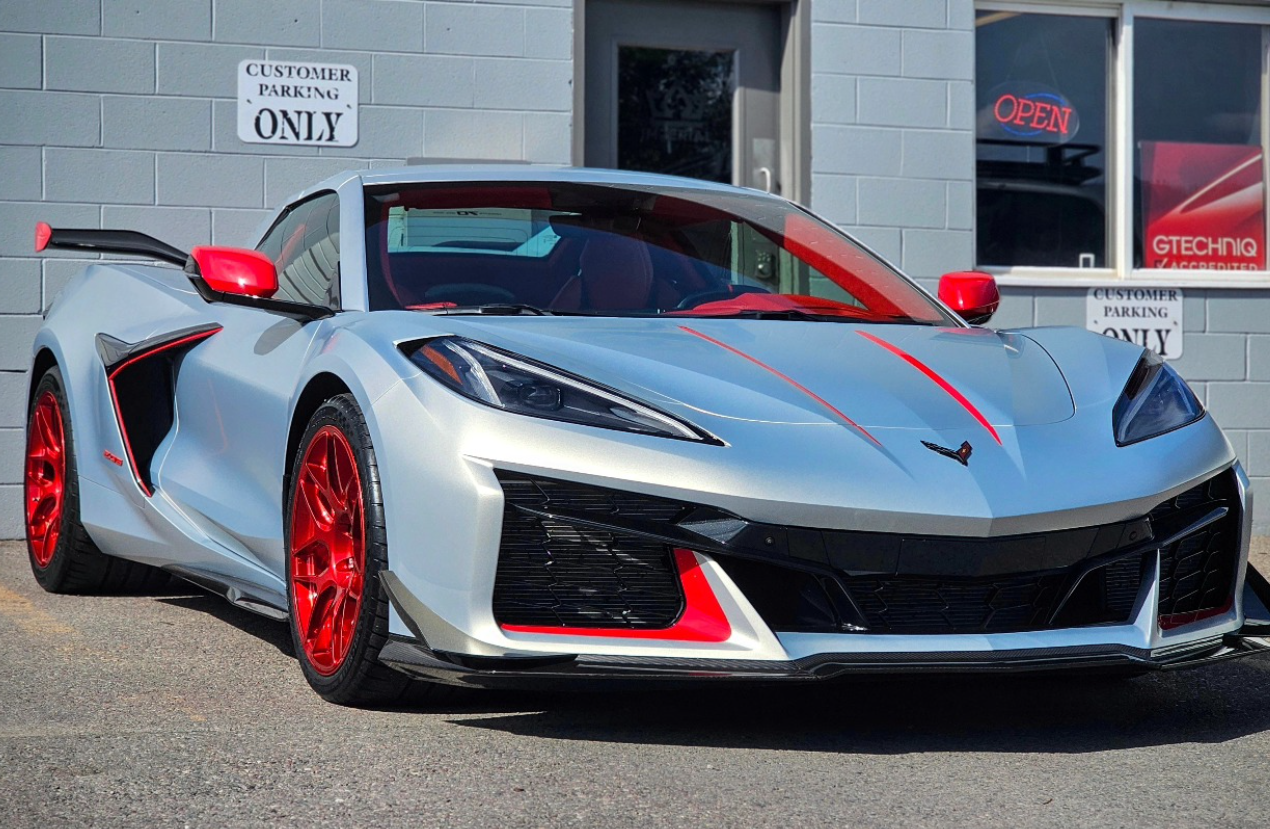
Silver sports car with red accents parked outside a building
May 26, 2026
Learn how PPF and ceramic coating preserve your car’s paint, reduce damage, and improve long-term resale value.
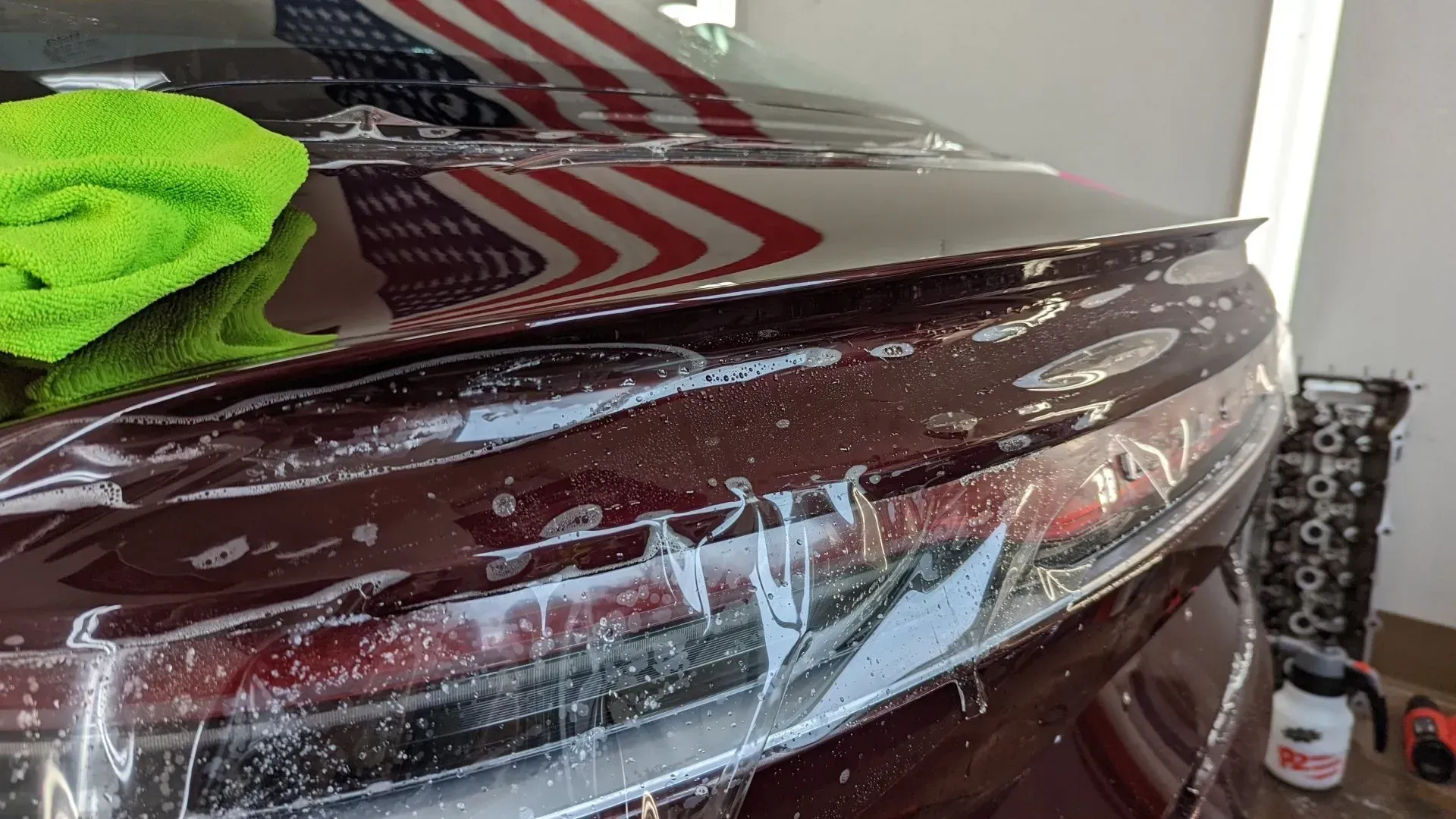
A maroon car hood wrapped in clear plastic, with a green microfiber cloth on top and an American flag reflection.
October 27, 2025
Discover why Paint Protection Film is a smart investment for Missoula drivers. Learn about benefits, costs, and professional installation at Imperial Auto Spa.
Hands applying clear protective film to a black car’s rear taillight area
October 27, 2025
Thinking about getting Paint Protection Film for your Tesla? Our guide breaks down the costs for a full wrap vs. partial coverage on different models.
Black BMW in a garage beside a blue car, both covered in soap suds and water spray.
October 27, 2025
Discover the difference between Paint Protection Film (PPF) and ceramic coating to see which is right for your car, and why using both is the ultimate solution.
PURE PPF logo in gray text on a white background
October 24, 2024
Color Change PPF! 
Gloved hand polishing a blue car windshield with an orange cloth
October 24, 2024
EXO V5 in Action
Show More