Vinyl Wrapping for Your Car: Is It Worth It? Benefits, Limitations, and Costs
Thinking about giving your car a fresh look without the hassle of a full repaint? Vinyl wrapping might be exactly what you need. It works like a removable skin that changes your vehicle's color and style quickly while protecting the original paint underneath. Here is why so many car, truck, and SUV owners choose wraps to customize and protect their rides, along with the costs and a few drawbacks to weigh.
Vinyl wrapping is worth considering if you want to protect your car's original paint while enhancing its appearance with customizable designs. It offers UV protection, scratch resistance, and easier cleaning, but it does require professional installation and careful maintenance to avoid issues like tearing or edge lifting.
The Appeal of Vinyl Wrapping
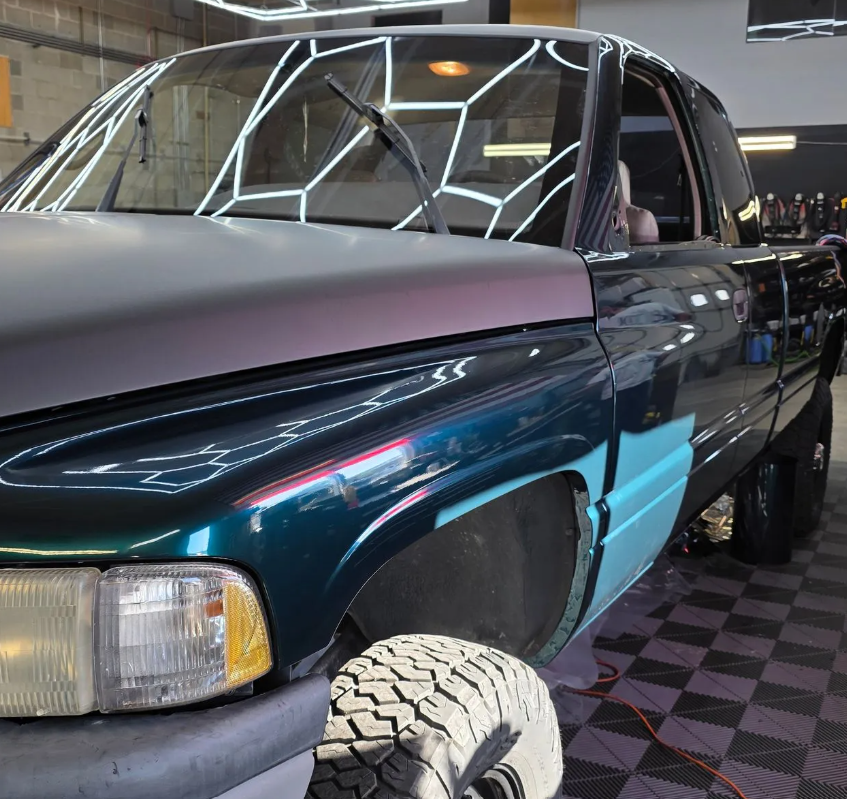
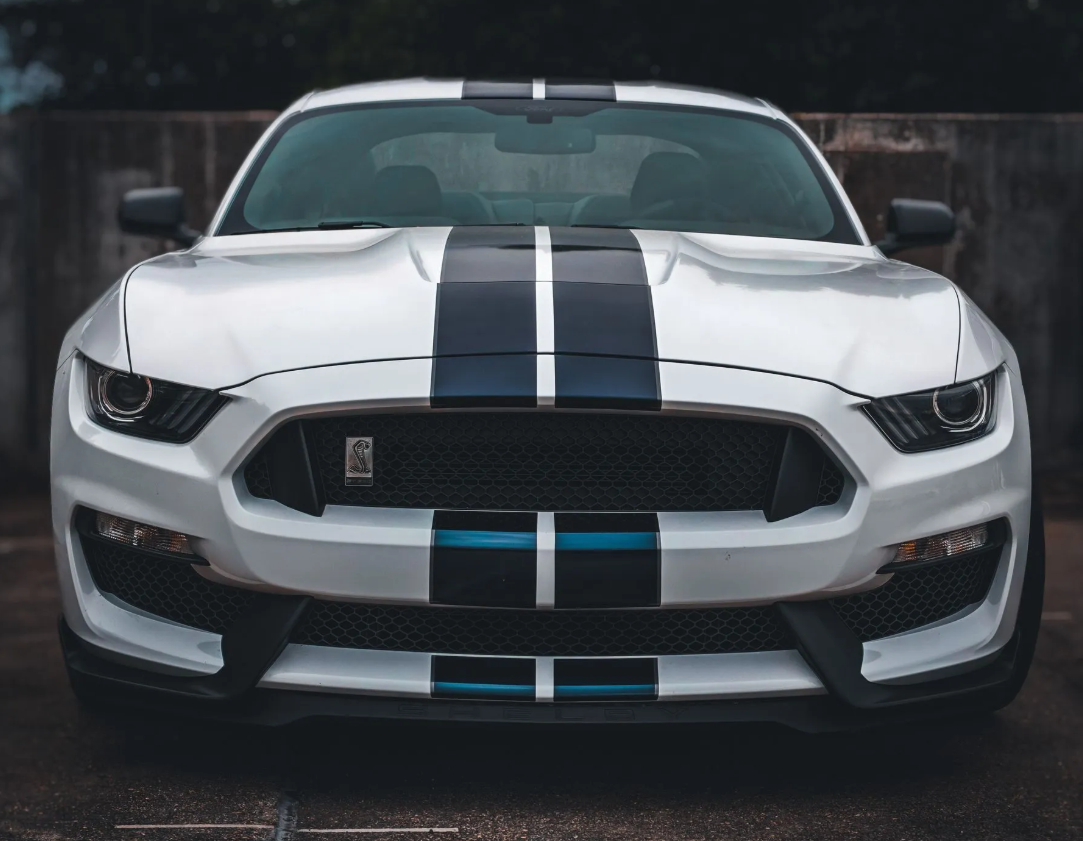
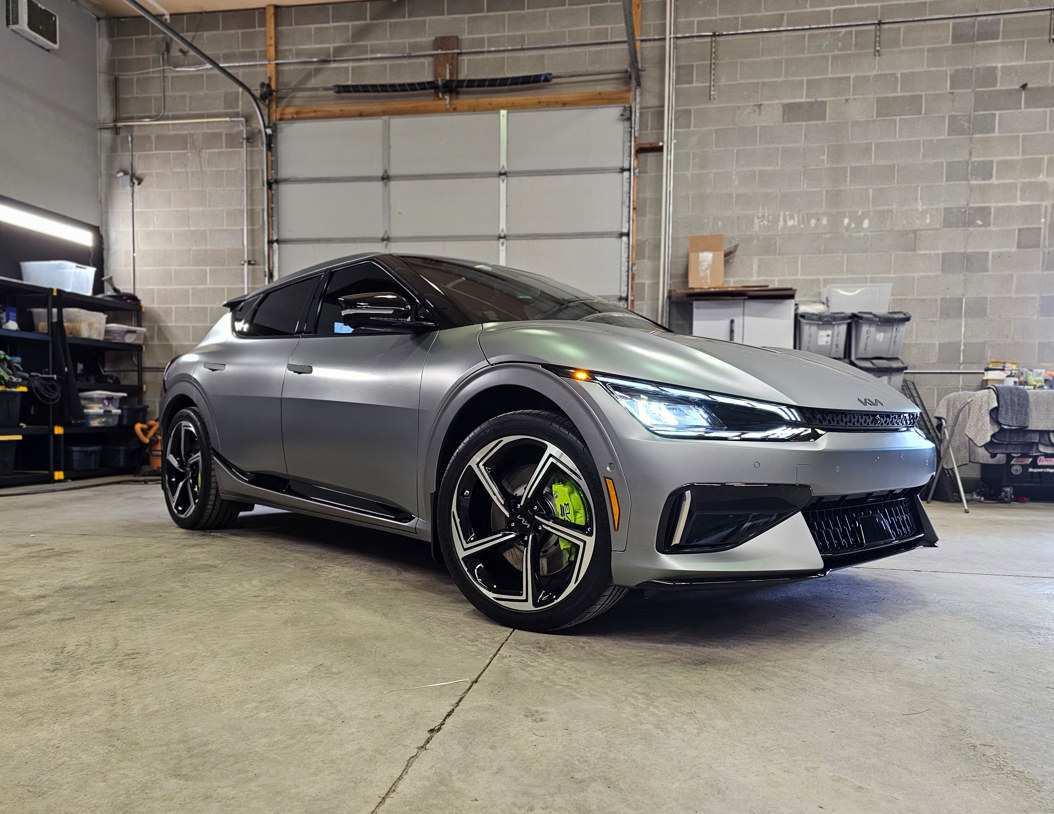
The biggest draw of vinyl wrapping is the freedom to customize your vehicle without permanently altering its paint. You could run a sleek matte black finish one year and switch to a vibrant gloss red the next, all without sanding, painting, or committing to one look forever. Drivers can choose from over 100 colors and finishes, from satin sheens to chrome and textured carbon fiber.
It is not just about looks, though. Many owners choose wraps to mask existing paint damage like scratches, swirl marks, and stone chips without costly bodywork, while the film protects the paint underneath at the same time. Installation is quick too. A traditional paint job often takes one to two weeks plus drying time, while a wrap usually takes just three to five days. Wraps also give local businesses an affordable way to turn a work truck or van into mobile advertising.
Protection Benefits
Car vinyl wrap acts as a shield for your paint. It blocks a large share of UV radiation, which slows the fading and oxidizing that sunlight causes over time, so your factory paint stays vibrant longer. That matters if you park outdoors or spend long days on the road under Montana's summer sun. The film also defends against bird droppings and tree sap, both of which can corrode paint if left too long, and it absorbs many minor scratches like a sacrificial layer. The smooth surface even makes washing easier, since dirt and grime rinse off more readily than they do from bare paint.
Resale Value Preservation
Keeping your factory paint in good condition is one of the smartest ways to protect resale value, since buyers often read a repaint as a sign of accident repair or neglect. Because vinyl wraps are fully removable without damage, they let you hide imperfections while protecting the paint underneath, then peel away to restore the factory finish when it is time to sell or trade in. For leased vehicles, a wrap can also help avoid wear and tear charges at lease end.
Cost Factors
The price of a vinyl wrap is not fixed. Vehicle size is the biggest factor, since a compact sedan has less surface area to cover than a large truck or SUV. Compact cars typically run $2,000 to $3,000 for a full wrap, while bigger trucks and SUVs can push toward or past $5,000 depending on complexity. Partial wraps that cover just the hood or side panels start around $500 to $2,000.
Vinyl quality matters just as much. Premium brands like 3M and Avery Dennison cost more upfront but last longer, hold color better, and remove cleanly, while cheaper vinyl can peel or leave residue that adds to your total cost. Installation skill affects both price and outcome: rushing a wrap leads to bubbles, uneven edges, and poor adhesion, so professional work protects your investment. Do not forget removal either, which averages $400 to $800 and, done properly, prevents residue or paint damage. For a clear estimate, work with a trusted local shop like Imperial Auto Spa, which offers transparent, quote based pricing for your specific vehicle.
Installation Process
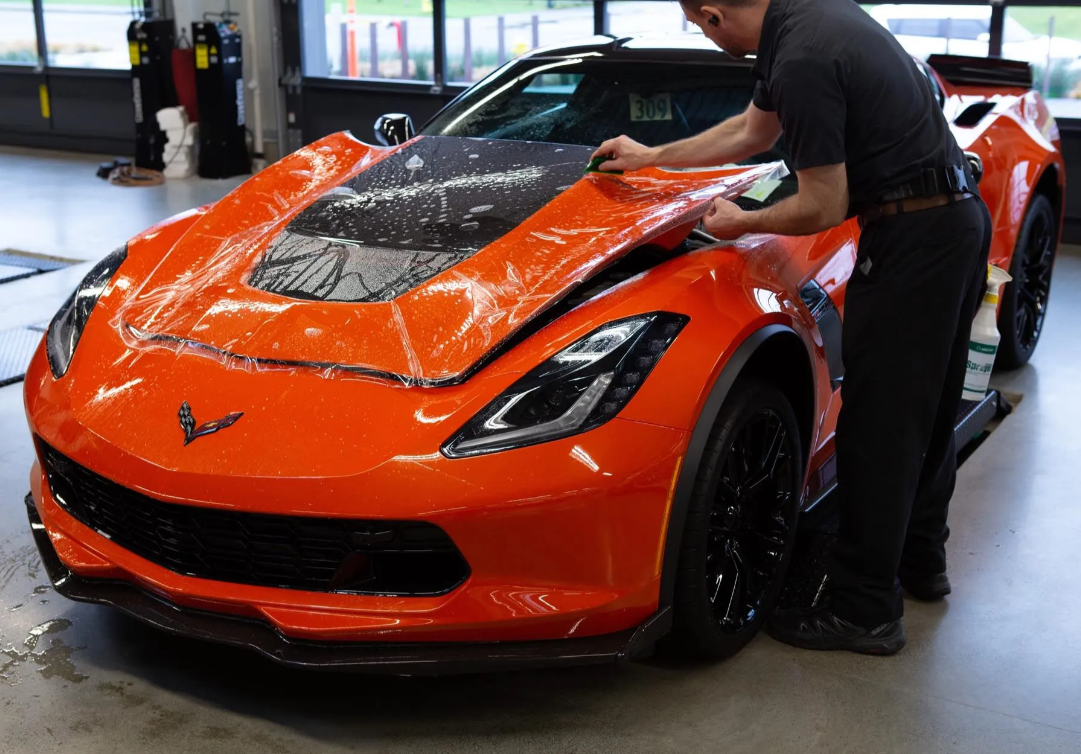
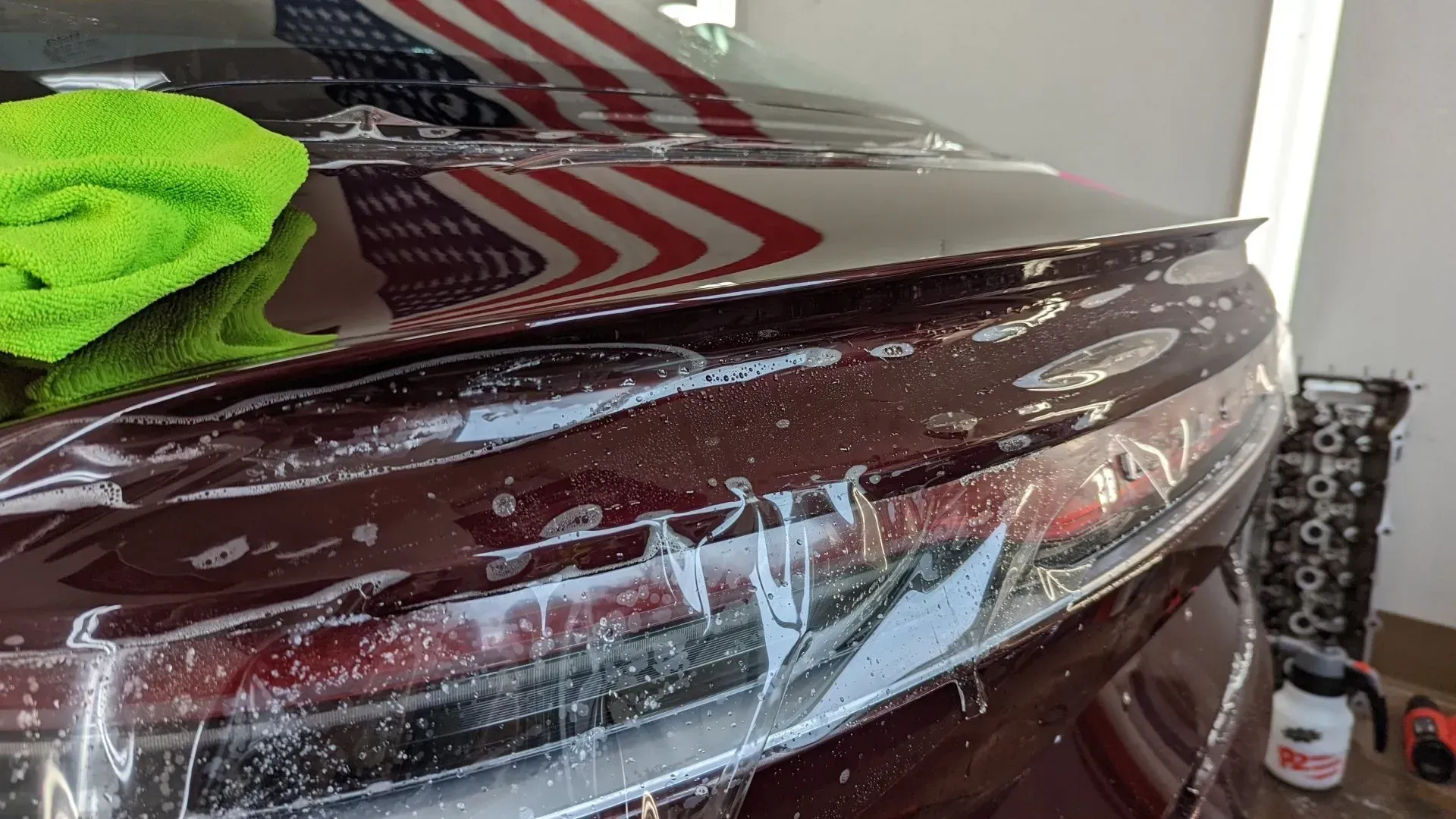
Vinyl wrap installation takes skill and patience, and it unfolds in a few stages. It starts with thorough cleaning, since even a speck of dirt, wax, or grease can create a bump or keep the vinyl from sticking. Installers often use specialized cleaners and clay bars to get the surface perfectly smooth.
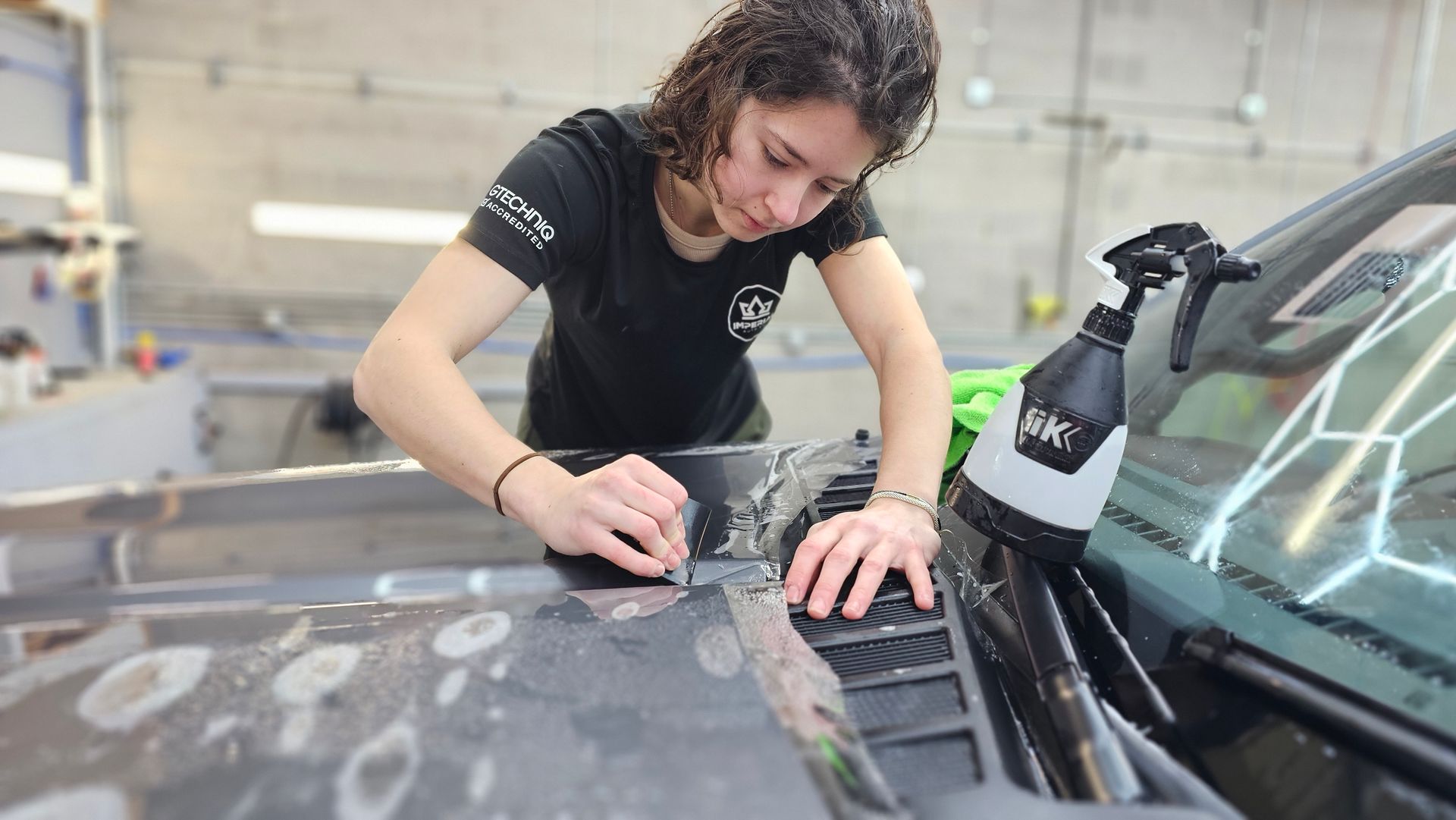
Next comes application. Skilled installers measure and cut each piece to your vehicle's dimensions, then use heat to make the vinyl pliable enough to contour around curves and edges without wrinkling, while squeegees push out trapped air. This phase can take three to five days depending on the vehicle's size and complexity, and precision matters, because an untucked edge or misaligned seam can lead to peeling later. Finishing touches include trimming excess vinyl and tucking edges around mirrors and into door jambs so they stay secure. A well installed wrap can transform your vehicle and keep looking great for years, as long as it is maintained with care.
Maintenance Tips
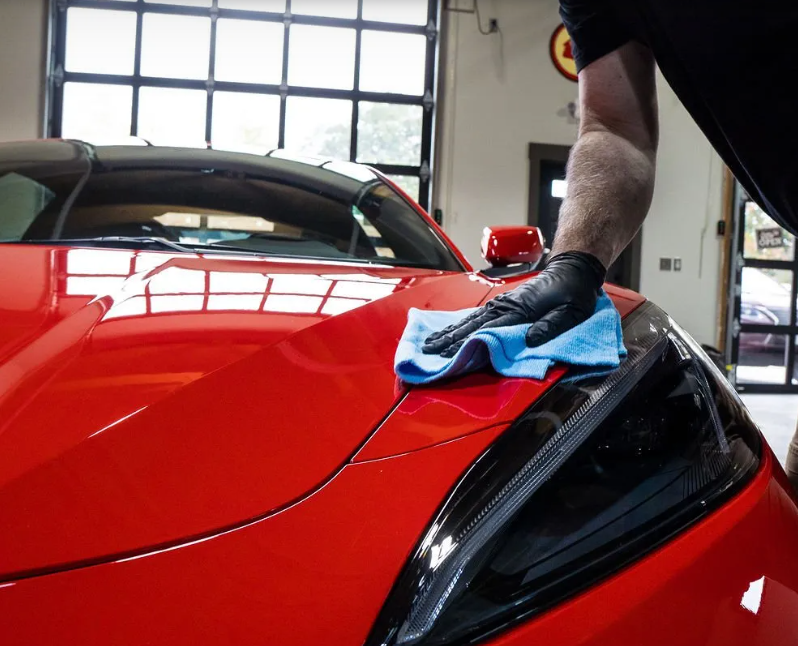
Maintaining a wrap is simple but takes a little attention. Wash it regularly with a vinyl safe soap and water solution, and steer clear of automatic car washes with stiff brushes that can scratch the surface or lift edges. Hand washing with soft microfiber mitts is best. Avoid harsh chemicals and solvents, which can eat away at the vinyl or dull its color.
When bird droppings, tree sap, or bug splatter show up, remove them quickly, ideally within 24 hours, using a diluted 50/50 isopropyl alcohol solution and a soft cloth. Where you park matters too, since prolonged sun speeds up fading, so shade or a garage helps, and a breathable cover works when indoor parking is not an option. Inspect the wrap now and then for edge lifting, which you can often fix early by cleaning under the edge, warming it gently, and pressing it back down. With this routine, a wrap can last a solid five to seven years with crisp color and sharp edges.
Potential Drawbacks
Vinyl wraps are durable, but they are not indestructible. Sharp objects, like a stray branch in a tight parking spot, can tear or scratch the film, and abrasive brushes or high pressure washers used improperly can lift the edges and lead to fraying or peeling. Bird droppings and tree sap are acidic and sticky, so ignoring them can cause permanent stains or weak spots.
Discoloration is another consideration. Vinyl is made with UV resistant materials, but constant harsh sunlight eventually takes a toll, and lighter or brighter shades tend to show wear sooner. Regular gentle cleaning, along with UV protectants recommended by the manufacturer, slows this down, though it will not prevent it entirely.
Is Vinyl Wrapping Worth It?
Vehicle vinyl wrapping offers an appealing mix of cost savings, customization, and paint protection. Compared to a traditional paint job, wraps are more affordable, usually $2,500 to $5,000, and deliver a similar visual impact with far less downtime. They also protect the factory paint underneath, which helps preserve resale value, and for leased vehicles they guard against wear and tear penalties. That advantage depends on professional installation and regular care, since cutting corners shortens lifespan.
The choice really comes down to installation quality. A wrap is only as good as the hands that apply it, so working with a skilled, established shop is the most important decision you will make. That is the standard we hold ourselves to at Imperial Auto Spa in Missoula.
| Factor | Vinyl Wrap | Traditional Paint Job |
|---|---|---|
| Cost | $2,500 to $5,000 | $5,000 to $15,000 or more |
| Installation Time | 3 to 5 days | 1 to 3 weeks (plus drying) |
| Lifespan | 5 to 7 years (up to 10 with care) | 8 to 15 years |
| Customization | Unlimited finishes and graphics | Limited by paint techniques |
| Protection | Shields the original paint | Paint can chip and fade |
| Removal | Easily removable without damage | Permanent |
| Maintenance | Requires gentle cleaning | Needs waxing and polishing |
If you want a bold style change without permanently altering your vehicle or blowing your budget, and you are willing to invest in proper installation and care, a vinyl wrap offers compelling value.
Transform Your Vehicle With a Professional Vinyl Wrap
A vinyl wrap is a great way to customize your vehicle while helping preserve the original paint underneath. At Imperial Auto Spa, our team provides professional vinyl wrap installation with attention to detail, quality materials, and finishes designed to match your style.
Whether you want a complete color change, a unique finish, or a custom look for your car, truck, or SUV, we can help you choose the right wrap option.
Call us at 406-239-2088 or schedule your consultation today to explore vinyl wrap options and schedule your consultation.
Frequently Asked Questions
What are the main advantages of vinyl wrapping compared to traditional painting?
Vinyl wrapping is more affordable, faster to apply (often a few days versus a week or more for paint), and far more versatile, with matte, chrome, and other finishes that paint struggles to replicate. It also protects the original paint from chips and UV damage, which helps preserve resale value.
How does the cost of vinyl wrapping compare to a professional paint job?
A full wrap generally runs $2,500 to $5,000, compared to $5,000 to $15,000 or more for a high quality paint job. Paint offers permanence and a classic finish, but a wrap is the more budget friendly way to change your look and add protection, and it can be removed or changed without damaging the paint underneath.
Can vinyl wraps be removed without damaging the original paint?
Yes. Vinyl wraps are designed to be a removable skin, and when they are professionally applied and removed, they typically cause no damage to the original paint. Clean removal depends on the car being prepped correctly and the paint being in good condition before wrapping.
How long do vinyl wraps last, and what maintenance is required?
Vinyl wraps typically last five to seven years when properly maintained, with high quality vinyl reaching the upper end of that range. Wash regularly with mild soap and water, avoid abrasive materials and harsh chemicals, and park in shade when you can to limit UV damage.
What are the common limitations or downsides of vinyl wraps?
Wraps can be damaged by sharp objects and prolonged sun exposure, which may cause fading or peeling if the wrap is not maintained. They also cannot fix existing body damage, and pricing varies with quality and coverage. With good installation and regular care, though, most of these downsides are manageable.
Can vinyl wraps protect my car from rock chips?
Vinyl wraps provide some protection against minor surface wear, UV exposure, and environmental contaminants, but they are not designed to stop rock chips or major impacts. For stronger protection against road debris, Paint Protection Film (PPF) is the better option.
How long does a vinyl wrap take to install?
Most professional vinyl wrap installations take about three to five days, depending on the vehicle size, wrap design, material, and installation complexity. Larger vehicles or custom graphics may require additional time.
Can I wrap a vehicle with existing paint damage?
Minor imperfections may be covered, but issues like peeling paint, rust, deep scratches, or major dents should be repaired before wrapping. Proper surface preparation helps ensure better adhesion and a longer-lasting finish.
Does a vinyl wrap increase my vehicle's resale value?
A vinyl wrap can help preserve the original paint underneath, which may support resale value by keeping the factory finish in better condition. However, resale impact depends on the vehicle, wrap quality, and buyer preferences.
Can vinyl wraps be applied to leased vehicles?
Yes. Many leased vehicle owners use vinyl wraps to customize their vehicles while protecting the original finish. When professionally installed and removed, the wrap can help return the vehicle to its original appearance.
How often should I wash a vinyl-wrapped vehicle?
A vinyl-wrapped vehicle should be washed regularly using a vinyl-safe soap and soft microfiber materials. Avoid abrasive brushes and harsh chemicals that can damage the wrap or cause edges to lift.
Can vinyl wraps be removed without damaging the paint?
Yes. Professional removal typically does not damage the original paint when the wrap was properly installed and the paint was in good condition beforehand. Poor-quality materials or improper removal techniques can increase the risk of residue or damage.
Is a vinyl wrap better than repainting a car?
A vinyl wrap is often a better choice if you want a temporary color change, unique finish, or customization options without permanently altering the vehicle. A professional paint job may be preferred when you need permanent color changes or major body restoration.
What is the difference between vinyl wrap and PPF?
Vinyl wrap is primarily used for changing a vehicle's appearance with different colors, finishes, and designs. PPF is designed for maximum paint protection against rock chips, road debris, and physical damage.
How long does a vinyl wrap last?
A quality vinyl wrap typically lasts around five to seven years with proper installation and maintenance. Regular cleaning, avoiding harsh chemicals, and protecting the vehicle from excessive sun exposure can help extend its lifespan.