How Long Does a Vinyl Wrap Last and How to Maintain It Properly: A Complete Guide to Lifespan and Care
Vinyl wraps are a popular way for Montana truck and vehicle owners to change their ride's look without a full paint job, but many wonder how long these wraps actually last. Knowing what to expect matters, especially with the gravel roads, harsh sun, and winter salt western Montana vehicles face every year. This guide covers typical lifespan, what affects longevity, and simple tips to keep your wrap looking its best.
A high quality vinyl wrap typically lasts 5 to 7 years, with premium films potentially lasting up to 10 years under optimal conditions. To maintain your wrap's longevity, wash it regularly by hand using mild soap and microfiber cloths, avoid automated brushes, apply UV protective sprays, park in shaded or indoor areas when possible, and promptly clean off contaminants like bird droppings and sap.
What is a Vinyl Car Wrap?
A vinyl car wrap is a thin, flexible sheet of polyvinyl chloride that covers your vehicle's surface, changing its color or style while shielding the original paint. Cast vinyl is thinner and more elastic, ideal for curved surfaces and lasting five to ten years. Calendared vinyl is thicker but stiffer, easier to install but more prone to fading after three to five years.
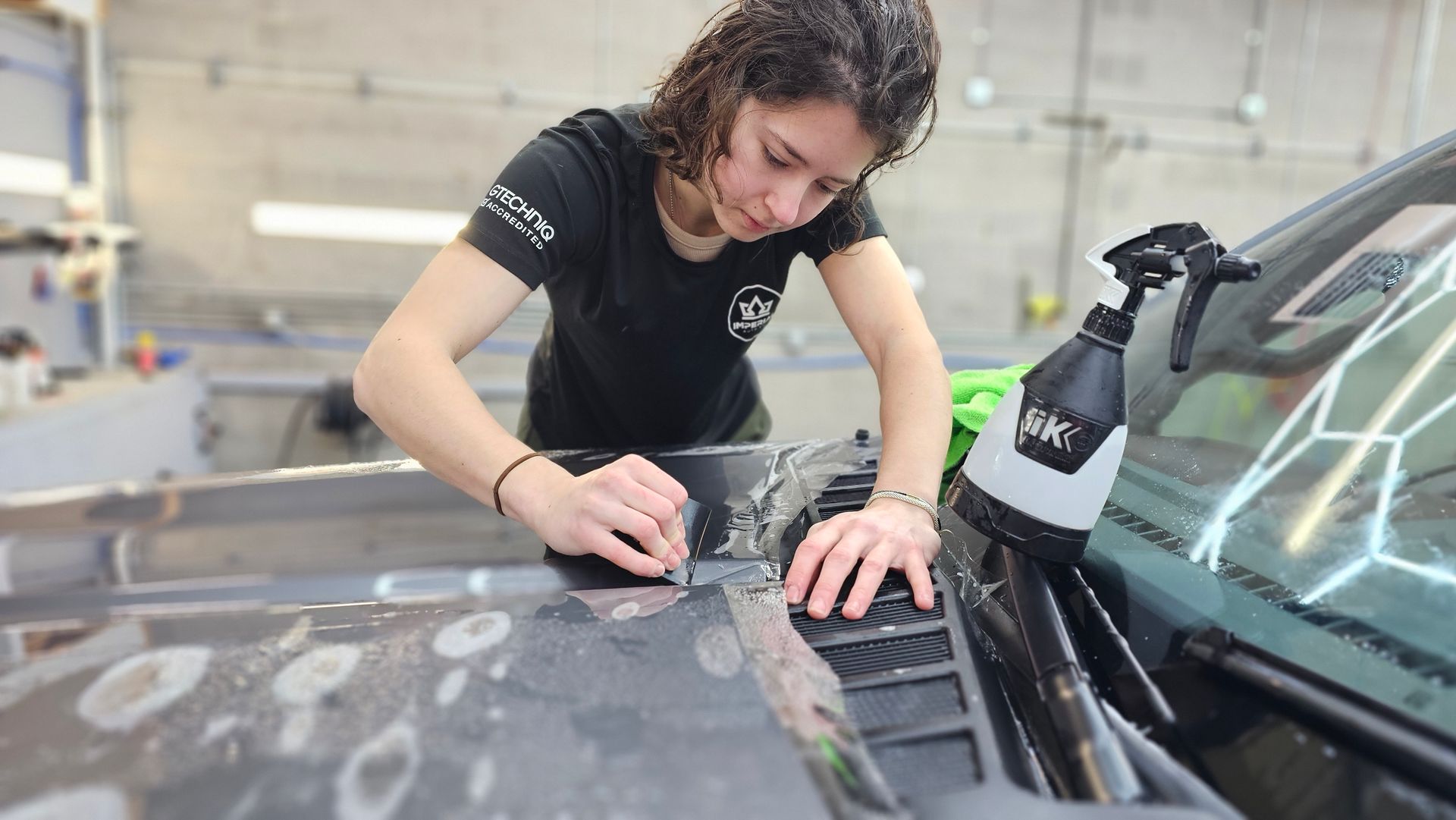
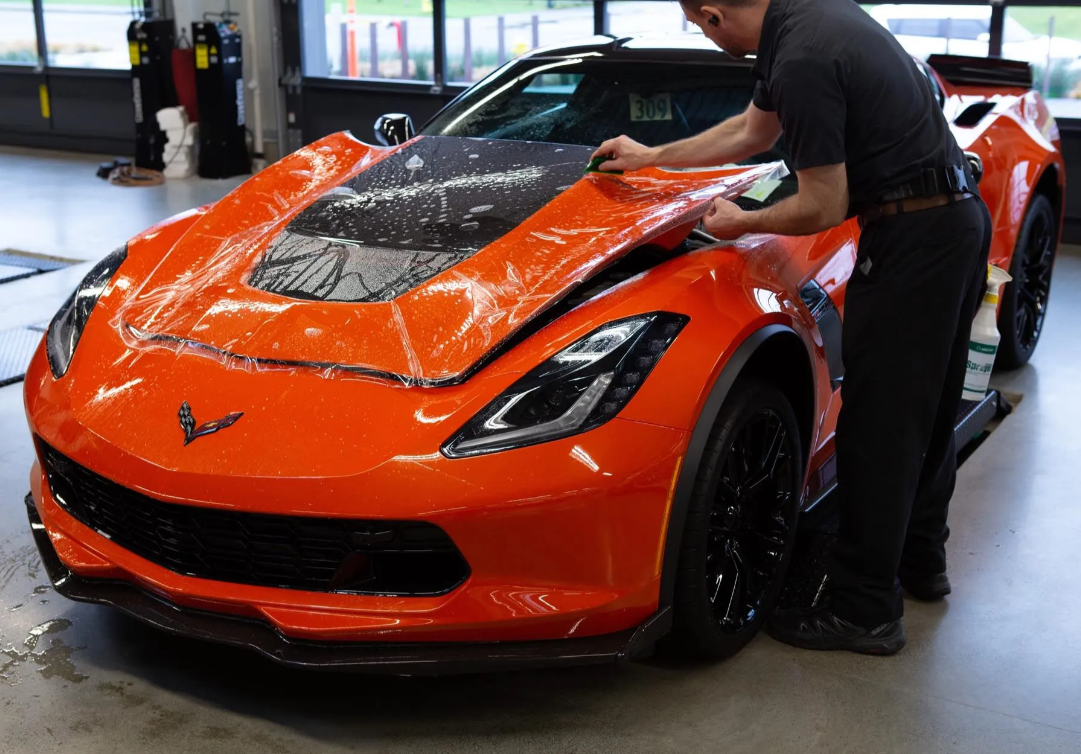
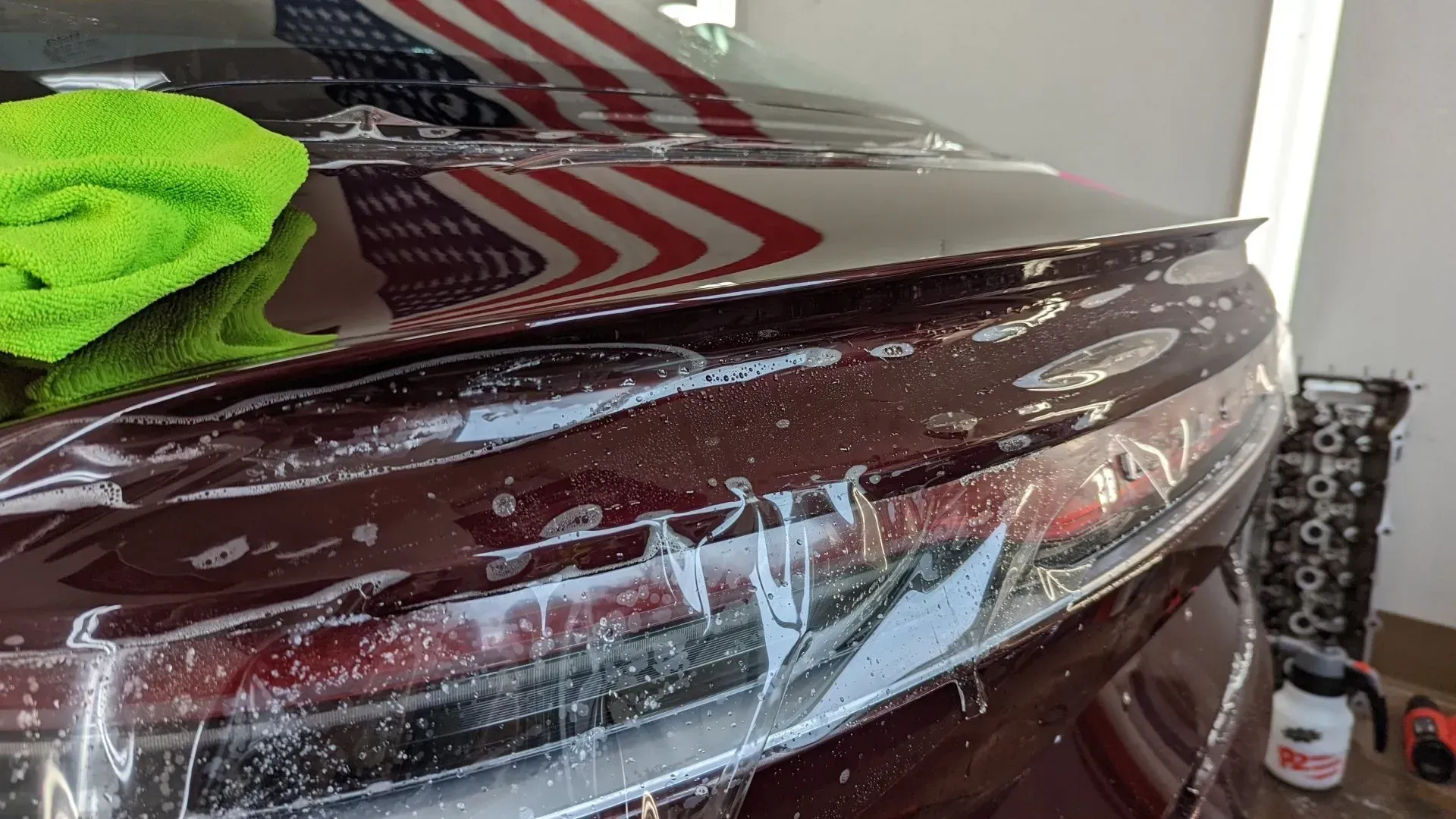
Professionals clean and prep the surface for strong adhesion, then use heat guns, squeegees, and cutting tools to mold each panel so seams and air bubbles are minimized. Proper prep determines whether a wrap clings for years or peels within months, which is why installations from a shop like Imperial Auto Spa often come with warranties covering five to seven years.
Typical Lifespan of Vinyl Wraps
A vinyl car wrap generally holds up two to seven years, depending on material quality, installation, and care. Premium brands like 3M and Avery Dennison typically last five to seven years when applied professionally, while lower grade materials or amateur installations may show wear within two or three years. Vehicles parked outdoors under intense sun, including Montana's high altitude summer sun, fade faster, and freezing winters can cause vinyl to shrink or warp.
How a well maintained wrap typically ages:
• Years 1 to 2: The wrap looks fresh, colors are vibrant, and the adhesive performs perfectly.
• Years 3 to 4: Mild fading can appear on areas with constant sun exposure, and slight lifting may appear near seams.
• Years 5 to 6: Loss of glossiness or minor cracking can develop, and adhesive strength begins to weaken.
• Year 7 and beyond: Vinyl becomes hard and brittle, removal becomes more difficult, and cracks or peeling become common.
Installation quality matters just as much. Professional installers use controlled environments for smooth, bubble free application that extends wrap life, while DIY installations often shorten it. Routine hand washing with pH neutral soaps preserves surface integrity, while abrasive automatic washes cause micro abrasions that dull appearance and let moisture in.
Factors That Influence Longevity
The environment your vehicle lives in is one of the biggest factors in how long a vinyl wrap lasts. Constant UV exposure breaks down pigments and adhesive, causing fading and brittleness as early as year three or four. Road grime and dust, especially on gravel roads common throughout western Montana, deposit abrasive particles that gradually erode the film. Vehicles kept indoors show less wear, and Montana's swing between hot summers and salted winters explains why two identical wraps can look different after five years.
Material Quality
Not all vinyl wraps are equal. Cast vinyl, such as premium products from 3M 2080 or Avery Dennison Supreme, fits complex curves without cracking as easily as lower grade films and typically carries warranties of five to seven years. Calendared vinyl is thicker and more prone to shrinkage within two to three years, so it suits budget projects. Quality vinyl costs more upfront but delays replacement, though even the best material can fail if poorly installed.
Effective Maintenance Techniques
Think of your wrap as a protective skin that adds style while shielding the paint from UV rays and daily wear. A high quality UV protective spray, such as Gtechniq or Optimum Gloss Coat, applied every three months blocks ultraviolet rays, a leading cause of fading and cracking, and extends the life of the adhesive beneath the film.
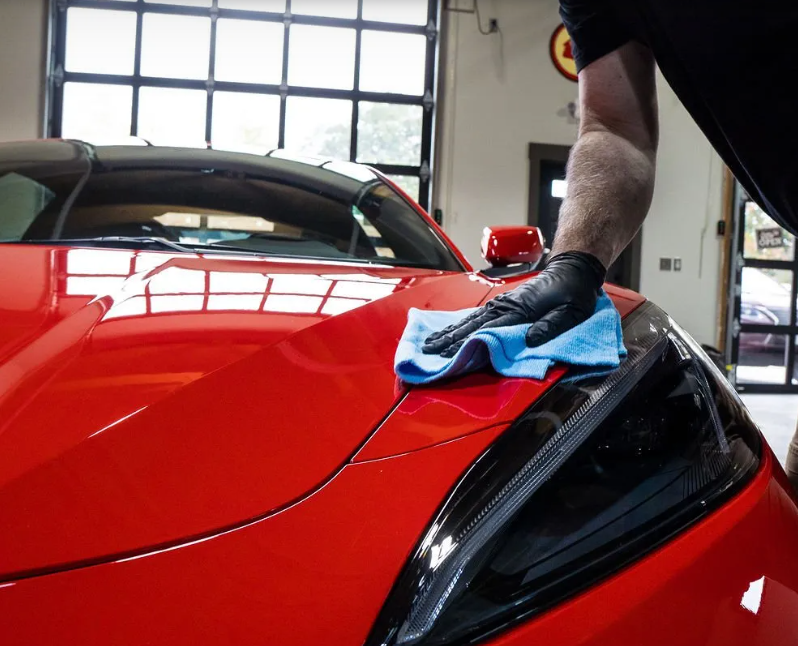
Pair this with a gentle hand wash at least weekly, using a soft microfiber mitt and shampoo free from citrus, wax additives, or solvents, since harsh chemicals can weaken adhesive bonds. Use a low pressure nozzle kept at least 12 inches away, since pressure above 2,000 PSI or hot water can damage edges. Avoid air drying, which leaves water spots, and dry instead with a soft squeegee and a microfiber towel.
Spot clean promptly. Bird droppings, sap, and bug splatter carry acidic compounds that can etch into vinyl within days, so treat them quickly with an isopropyl alcohol and water mix. For stubborn road tar or lifting edges, trust professional detailers like the team at Imperial Auto Spa, who can apply ceramic coatings tailored to vinyl films.
Cleaning Tips for Vinyl Wraps
Regular cleaning is the foundation of preserving your wrap's look and extending its lifespan beyond the typical 5 to 7 years. Washing every couple of weeks prevents dirt and grime from settling into the surface and dulling the finish.
Step by Step Cleaning Guide
Step 1, hand wash regularly with a mild detergent comparable to gentle dish soap, applied with a soft microfiber cloth to reduce friction. Avoid automated car washes, especially those with rotating brushes, which can create tiny tears or peel edges.
Step 2, spot clean stubborn contaminants quickly but gently. Mix equal parts 70 percent isopropyl alcohol and water and lightly apply with a soft cloth, then rinse and dry gently.
Park in shaded areas or use a lightweight car cover to limit UV exposure, which breaks down adhesives and pigments. Never polish or wax a wrap with traditional automotive products unless approved by the manufacturer. For extra gloss, use a specialized vinyl wrap sealant, and inspect periodically for chips or lifting edges so repairs stay simple.
Protective Strategies for Wraps
A surface coating is one of the most effective ways to shield your wrap from premature wear. Ceramic coatings and liquid glass treatments create a hard, transparent layer that guards against UV rays and road grime, repelling contaminants and reducing fading. In Missoula's bright, high altitude sun, these coatings pay off.
Where you park is another simple, effective defense. Shaded areas or garages reduce exposure to sunlight, rain, and dust, and a quality car cover offers similar protection when covered parking is not available.
Tailoring Protection to Your Environment
Trucks driven regularly on gravel roads or icy winter highways face distinct challenges. Paint protection film combined with ceramic coating adds a second line of defense, acting as a sacrificial layer that takes damage instead of the vinyl. It costs more upfront and requires professional installation, such as the services offered by Imperial Auto Spa, but the payoff is a wrap that keeps its shine longer.
Simple Habits That Boost Longevity
Avoid automated car washes with harsh brushes, which can lift edges or scratch the surface, and choose touchless or hand washing instead. Dry with microfiber towels rather than air drying, and inspect seams every few weeks so lifting or bubbles can be addressed early.
Comparing Vinyl Wraps and Traditional Paint
Vinyl wraps and paint jobs may seem similar since both cover your exterior, but the differences run deep. Vinyl wraps typically cost less upfront, usually between $2,000 and $5,000 depending on vehicle size and quality, and offer finishes like matte black or textured carbon fiber that paint struggles to match. High quality paint jobs can push past $7,000, given the sanding, priming, multiple coats, and curing time involved. For anyone who wants to change their look often, or needs branding for a business fleet, vinyl wraps offer a cost effective, reversible solution.
Traditional paint generally wins on longevity, maintaining color and shine for 8 to 15 years with regular washing and waxing, and bonding directly to metal for protection against chips and rust. Premium cast vinyl can last 5 to 7 years, sometimes stretching to 10 under optimal conditions, but remains more vulnerable to UV rays, so gentle washing and protective sprays are needed. If you value versatility, vinyl wraps pull ahead; if durability and minimal upkeep matter more, a paint job or paint protection film package may fit better.
Ready to Protect Your Vehicle in Missoula, Montana?
Whether you are weighing a color change vinyl wrap, a ceramic coating, or a full paint protection film package, the team at Imperial Auto Spa can help you choose the right option for Montana's roads and seasons. Stop by our shop, located across from Gull Boats and RV, for a free, no pressure quote, and ask about our complimentary interior clean and shuttle service.
Call Imperial Auto Spa today at
406-239-2088 or visit imperialautospamt.com for a
free consultation online and keep your vehicle looking showroom fresh for years to come.
Frequently Asked Questions
Are there specific cleaning products that should or should not be used on vinyl wraps?
Yes. Stick to pH neutral, non abrasive cleaners. Harsh chemicals like ammonia or bleach can cause a wrap to crack or fade prematurely, and improper agents can reduce lifespan by up to 30 percent.
What factors influence the lifespan of a vinyl wrap?
Lifespan depends on vinyl quality, installation precision, and environmental exposure. High quality wraps can last 6 to 10 years if installed well and cared for, but UV rays alone can degrade lower grade films in as little as 3 years.
When is it time to repair or replace a vinyl wrap?
Repair or replace your wrap when you notice persistent peeling, fading beyond 70 percent of its original color, or extensive cracking. Well maintained wraps typically last 5 to 7 years, so if you are nearing that mark or damage is widespread, schedule a refresh.
What maintenance routines extend the durability of a vinyl wrap?
Stick to gentle hand washes with pH neutral soaps, avoid automatic car washes with abrasive brushes, and park in shaded or covered areas. A protective sealant applied regularly can boost durability by up to 30 percent, keeping colors vibrant and edges sealed tight.
How do environmental conditions affect the longevity of vinyl wraps?
Too much UV exposure causes fading and brittleness, while extreme swings, like Montana's hot summers and salted winters, can cause cracking or adhesive failure. Wraps exposed constantly to harsh sun can see lifespan reduced by up to 30 percent, shrinking a typical 5 to 7 year wrap to 3 to 4 years.
Is a vinyl wrap or paint protection film better for a truck driven on gravel roads?
For trucks driven often on gravel roads or winter salt, paint protection film generally resists rock chips better than a standard vinyl wrap, since it is a thicker, self healing shield rather than a decorative finish. Many owners combine the two, using film on high impact areas and a wrap for color elsewhere. A shop like Imperial Auto Spa can help you decide which combination fits your vehicle.