Should You Get PPF or Ceramic Coating First? Comparison, Benefits, and Timing Tips

Chad Matson • July 30, 2026

If you are thinking about protecting your car's paint, you have probably wondered whether to start with Paint Protection Film (PPF) or ceramic coating. Both offer real benefits but work in very different ways, and the order you apply them affects how well your vehicle holds up. Pairing the two in the right sequence is not just about extra shine. It is about stronger protection and easier maintenance over time. Here is why PPF usually goes on first, and how ceramic coating completes the job.


It is generally best to apply Paint Protection Film (PPF) first, since it provides a durable physical barrier against rock chips, scratches, and other damage. Once the PPF is installed, a ceramic coating can go on top to add hydrophobic properties, boost gloss, and make cleaning easier.


Pros and Cons of Paint Protection Film


The standout feature of PPF is that it can heal itself. Minor scratches and swirl marks from routine driving fade away when the film is warmed by the sun or a heat gun, keeping the flawless look you want. PPF also works as a physical barrier against rock chips and against stains from bird droppings and tree sap that etch into unprotected paint. For Montana drivers on gravel roads and through construction zones, that impact protection is exactly what saves a factory finish.


There are drawbacks, though. Cheaper or older films can yellow over time from UV exposure, so a premium film and a skilled installer are the best defense. Edges can lift if the application was not precise, which traps dirt and forms visible lines. And an installation that cuts too deeply into the paint can cause costly damage, which is why professional installation matters so much.


If you drive in tough conditions and want to protect the areas most exposed to chips, like the front bumper and hood, high quality PPF is often worth the upfront cost. Combining it with a ceramic coating on top pairs physical protection with a hydrophobic, easy to clean finish, which is the approach we often recommend at Imperial Auto Spa for owners who want complete paint care.


Advantages and Disadvantages of Ceramic Coating


Ceramic coating is a liquid polymer applied by hand that bonds chemically with your paint. Its most noticeable benefit is a hydrophobic surface: water beads up and slides off, which adds gloss and makes washing quicker and less frequent. It also shields paint from minor scratching and swirl marks, guards against UV fading like sunscreen for your vehicle, and resists chemical contaminants far better than wax. Applied by a professional, it typically lasts two to five years, well beyond a wax job.


Its limit is physical impact. Car ceramic coating cannot stop rock chips or deep scratches from road debris, so relying on it alone on roads full of gravel leaves your paint exposed. It also needs meticulous prep, including washing, clay bar decontamination, and sometimes paint correction, which is why a professional application delivers a far better result than a DIY attempt.


Application Order: PPF or Ceramic Coating First?


It is widely recommended to apply PPF before ceramic coating. PPF is the tough, physical barrier that absorbs rock chips and scratches, so it belongs against the paint as the first line of defense. The ceramic coating then goes on top, adding chemical resistance and a finish that sheds water easily.


The reason is practical. PPF installation involves stretching and trimming the film at the edges, and if ceramic coating went on first, those steps could wear it away. Applying coating directly to the paint first can also interfere with the film's adhesion and cause it to lift or peel early. Waiting 24 to 48 hours after PPF installation lets the film cure, so the coating bonds to a stable surface. Putting ceramic down first and adding PPF later risks damaging the coating and reduces film adhesion, so the sequence above is the industry standard.


Cost Analysis of PPF vs. Ceramic Coating


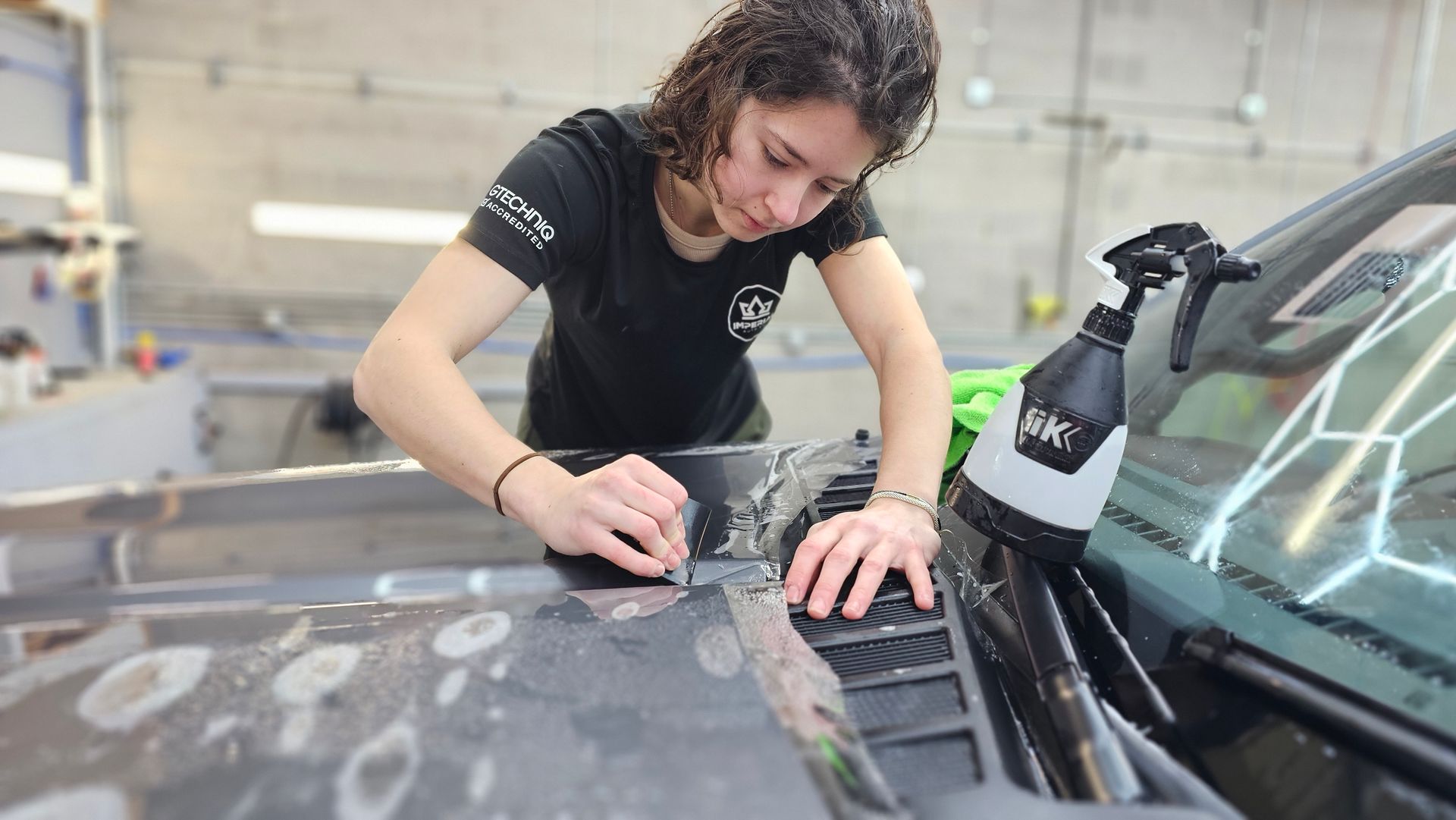
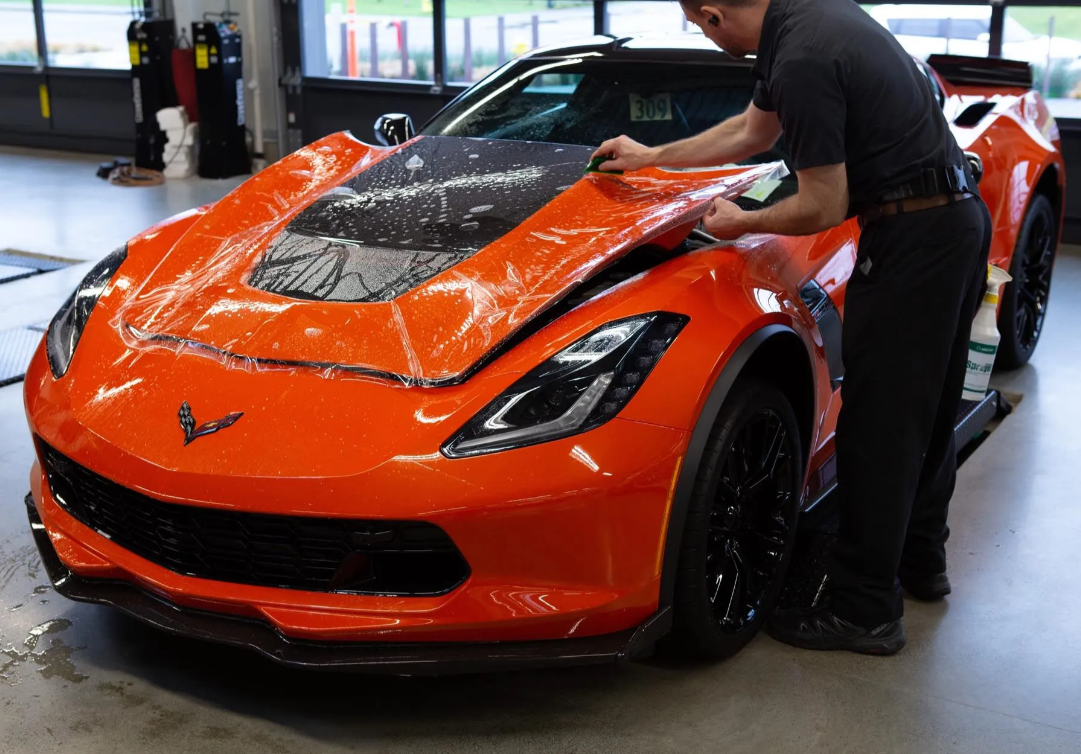
PPF carries higher upfront costs because of its durable material and the skill its installation demands. This is not a spray on job. The installer spends hours fitting a 6 to 8 mil urethane film over complex curves and edges without bubbles, so labor is a large part of the price.

Type of Protection Price Range Notes
Full Vehicle PPF $4,000 to $10,000 Comprehensive coverage; premium films such as STEK add to cost
Partial PPF (Front End) $1,500 to $3,000 Covers the areas most prone to chips
Full Car Ceramic Coating $1,000 to $3,000 Depends on product quality and layers applied

Auto ceramic coating is friendlier on the budget, since it uses fewer materials and less time, with most of the cost going to prep work rather than a physical shield. The long term math matters too: ceramic coatings last two to five years, while premium PPF can last up to 10 years, so for owners who keep their vehicles or face harsh conditions, PPF often pays off on a cost per year basis. Many owners split the difference, applying PPF on the zones most exposed to chips, like the bumper, hood edges, and mirrors, then adding a full ceramic coating everywhere else for gloss and easy cleaning.

Maintenance Requirements for PPF and Ceramic Coating


PPF needs simple but attentive care. Wash every one to two weeks with gentle, pH neutral shampoo and soft microfiber, and avoid automatic washes with abrasive brushes that can lift film edges. A PPF sealant helps preserve clarity, and a professional inspection every 12 to 18 months catches edge lifting early. With proper care, quality PPF often lasts up to 10 years.


Ceramic coatings need washing less often, usually every two to four weeks, with the same gentle products and microfiber drying to avoid swirl marks. A booster spray every six to twelve months restores water repellency and gloss. Both finishes do best with hand washing, and neither holds up to harsh chemicals or aggressive scrubbing.


What Detailing Pros Recommend


The common recommendation is a layered approach: apply PPF first on the most vulnerable zones, such as the bumper, hood, and fenders, then finish with a ceramic coating over the whole vehicle. The film absorbs physical impacts while the coating adds chemical defense and deep gloss.


Installer skill is what makes it work. PPF demands precise cutting and clean edges, and ceramic coatings require immaculate surface prep. At Imperial Auto Spa, combining the two is our top recommendation for new vehicles and for anyone seeking maximum durability, and we finish with Gtechniq coatings to boost water repellency and UV resistance. The pairing works because the physical durability of PPF and the chemical resilience of ceramic coating create a complete shield.


Matching Protection to How You Drive


The right choice usually comes down to your daily conditions. Drivers who log heavy highway and gravel miles benefit most from PPF, which resists constant rock chips and heals light scratches on its own. Owners with lighter driving, or a vehicle kept in a garage, often prefer the gloss and easy cleaning of a ceramic coating. Many end up combining both after an unexpected stone chip, adding PPF on the bumper and hood beneath a full ceramic finish.


Whatever you choose, professional installation and routine care protect your investment, since even the best film or coating underperforms when it is applied or maintained poorly.

Driver Profile Best Fit
Heavy highway and gravel miles PPF, for chip and scratch protection that heals light marks
Casual driving or a garaged vehicle Ceramic coating, for dirt resistance, UV protection, and gloss
Long term ownership or new vehicles PPF plus ceramic, for the most durable, easy care finish
Any setup Quality installation and routine maintenance for full lifespan

Protect Your Vehicle With the Right Paint Protection Solution


Choosing between PPF and ceramic coating depends on your vehicle, driving conditions, and long-term protection goals. At Imperial Auto Spa, our experts help you select the right combination of paint protection services to preserve your vehicle's appearance and value. We provide professional PPF and ceramic coating installation backed by quality products and expert care.


Call us at 406-239-2088 or schedule your consultation to discuss the best protection option for your vehicle and schedule your professional consultation.


Frequently Asked Questions


What are the benefits of applying PPF before ceramic coating?

The film creates a barrier against rock chips, scratches, and environmental damage, and the ceramic coating on top adds hydrophobic properties and UV resistance. Together they give you durability, a glossy finish, and easier cleaning.


Are there preparation steps that depend on which product goes first?

Yes. Ceramic coating first needs flawless paint, so plan on a detailed wash, a clay bar treatment, and possibly a polish. PPF first also needs an ultra clean surface but no polishing, since the film shields minor imperfections. Careful prep strongly affects how long the result lasts.


How does the order affect durability and protection?

Applying PPF first, then ceramic on top, maximizes both. Reversing the order risks sealing contaminants under the film or damaging the coating during PPF installation, which reduces overall effectiveness.


Which option offers easier long term maintenance?

PPF first, followed by ceramic coating. The film shields against physical damage while the coating makes dirt and contaminants slide off with less effort, so cleaning stays quick and simple.


Can ceramic coating be applied over existing PPF?

Yes, and it is often recommended. A ceramic layer over PPF adds a hydrophobic barrier that improves scratch and UV resistance while making cleaning easier. It is a popular combination for owners who want both types of protection.


Can I apply ceramic coating without PPF?

Yes, ceramic coating can be applied without PPF and is a great option for improving gloss, UV protection, and resistance to environmental contaminants. However, it does not protect against rock chips, road debris, or physical damage like PPF does.


Is PPF worth it if I already have ceramic coating?

Yes. Ceramic coating and PPF serve different purposes. Ceramic coating improves shine, water repellency, and chemical resistance, while PPF provides a physical barrier against rock chips, scratches, and road hazards.


How soon after buying a new car should I install PPF and ceramic coating?

Installing PPF and ceramic coating shortly after purchasing a new vehicle is ideal. Applying protection early helps preserve the factory finish before chips, stains, and environmental damage affect the paint.


Can ceramic coating be removed before installing PPF?

Yes. A professional detailer can remove existing ceramic coating through proper paint preparation before PPF installation. This helps ensure the film bonds correctly and performs as expected.


Does PPF make ceramic coating last longer?

PPF does not extend the lifespan of ceramic coating, but applying ceramic coating over PPF creates a layered protection system. The combination helps defend against physical damage, contaminants, and makes vehicle maintenance easier.


Should I get full vehicle PPF or partial PPF coverage?

The right choice depends on your driving habits and protection goals. Partial PPF is commonly applied to high-impact areas like the front bumper, hood, mirrors, and fenders, while full PPF provides maximum paint protection.


Which lasts longer, PPF or ceramic coating?

Premium PPF typically lasts longer, with many quality films lasting up to 7-10 years with proper care. Ceramic coatings generally last 2-5 years depending on the product, installation quality, and maintenance routine.


Does PPF change the appearance of my vehicle?

No. High-quality PPF is designed to preserve your vehicle's original appearance while adding protection. Modern films are clear and available in different finishes, including gloss and matte options.


Is ceramic coating a replacement for PPF?

No. Ceramic coating enhances gloss, water resistance, and chemical protection, but it cannot absorb impacts from rocks and road debris. PPF is the better option when physical paint protection is the priority.


Can PPF and ceramic coating be installed on older vehicles?

Yes. Older vehicles can receive PPF and ceramic coating after proper preparation. Professional cleaning, paint decontamination, and correction may be recommended before installation to achieve the best results.

Share this article

Recent Posts

car vinyl wrap
By Chad Matson • September 24, 2026
Learn how long vinyl wraps last and how to maintain them with proper washing, UV protection, parking habits, and care for Montana driving conditions.
car paint protection
By Chad Matson • September 10, 2026
Learn how to protect car paint in Missoula, MT with PPF, ceramic coating, and seasonal maintenance tips for road salt, UV exposure, debris, and weather.
Common PPF Myths
By Chad Matson • August 25, 2026
Discover the truth behind common PPF myths, including yellowing, paint damage, maintenance, DIY installation, and protection benefits.
ceramic coating vs wax
By Chad Matson • August 20, 2026
Compare ceramic coating vs wax to learn which offers better UV, chemical, and long-term paint protection for modern vehicles.
vinyl wrapped car
By Chad Matson • July 15, 2026
Learn if a vinyl wrap is worth it. Explore car wrap benefits, costs, lifespan, maintenance tips, and how Imperial Auto Spa transforms vehicles.
car ppf
By Detailers Roadmap SEO • June 25, 2026
Learn the differences between PPF and vinyl wraps, including cost, lifespan, protection levels, and customization options.
PPF over ceramic coating
By Detailers Roadmap SEO • June 25, 2026
Learn if PPF can be applied over ceramic coating, key installation tips, curing times, benefits, and common mistakes to avoid.
Black Mercedes-Benz G-Class SUV parked outside a building, front view.
May 26, 2026
Learn how to install Paint Protection Film with this beginner-friendly DIY guide covering prep, application, and maintenance.
Silver sports car with red accents parked outside a building
May 26, 2026
Learn how PPF and ceramic coating preserve your car’s paint, reduce damage, and improve long-term resale value.
A maroon car hood wrapped in clear plastic, with a green microfiber cloth on top and an American flag reflection.
October 27, 2025
Discover why Paint Protection Film is a smart investment for Missoula drivers. Learn about benefits, costs, and professional installation at Imperial Auto Spa.
Show More