Common PPF Myths Debunked: What Car Owners Get Wrong About Paint Protection

Chad Matson • August 25, 2026

When it comes to protecting your car’s paint, Paint Protection Film (PPF) often gets a bad rap wrapped in half truths and old stories. Many people worry that PPF will yellow quickly, ruin their car’s finish, or cause damage when removed. But thanks to advances in materials and installation techniques, these concerns don’t hold up anymore. This article clears the air by breaking down the most common myths so you can make an informed choice about protecting your ride.


Common myths about Paint Protection Film include beliefs that it damages paint upon removal, always yellows over time, or only benefits new cars. In reality, high quality modern PPF uses advanced materials with UV stabilized coatings that resist yellowing for up to a decade, can be professionally removed without paint damage, and provides significant protection for both new and used vehicles when properly installed and maintained.


PPF Damages Car Paint on Removal


One of the most persistent myths in car enthusiast circles is that removing PPF will peel off or damage your car’s original paint. This idea traces back to early films and botched DIY removals, but modern technology tells a very different story.


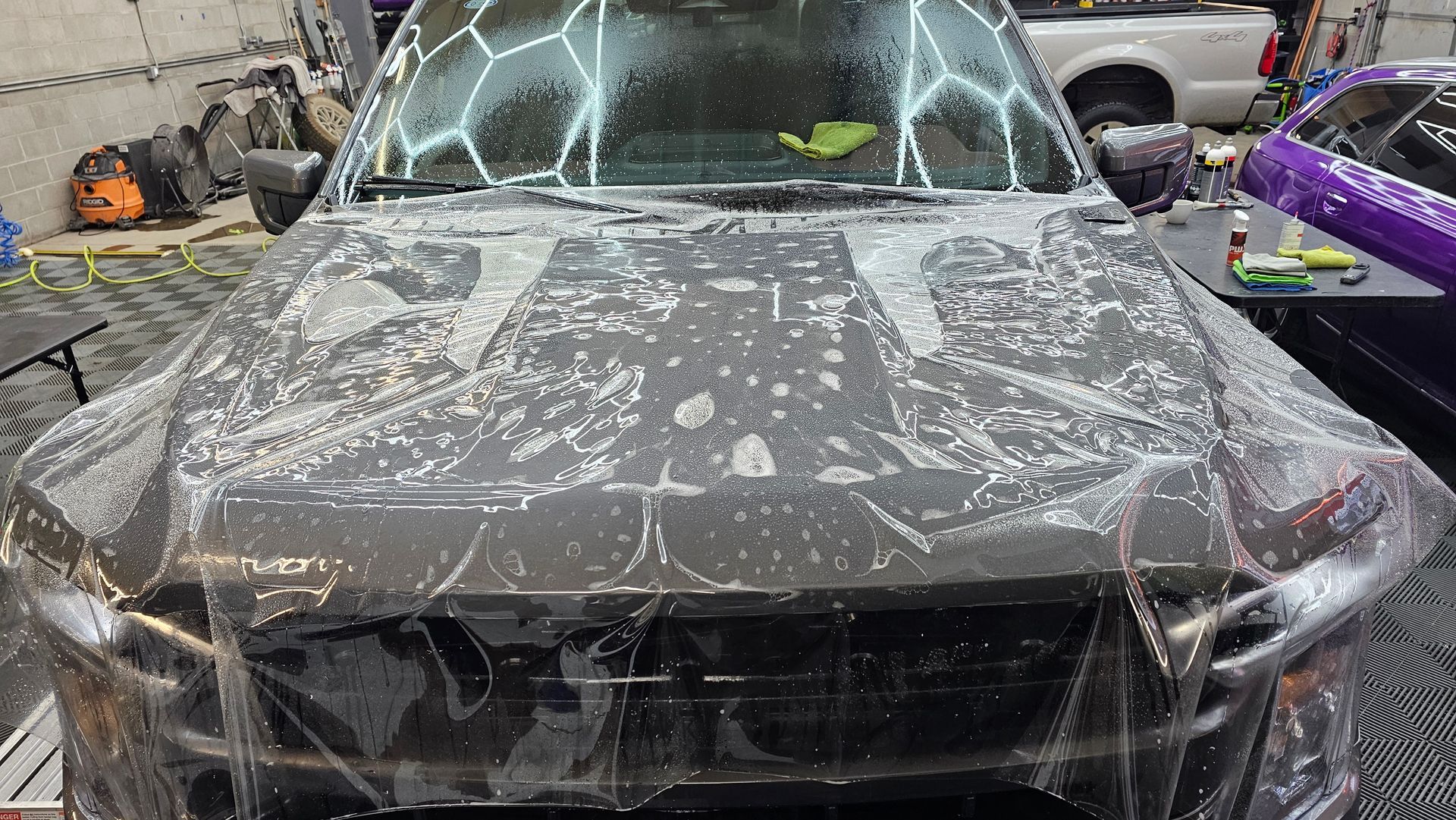
Today’s premium PPF uses a pressure sensitive adhesive designed to stick firmly to the film itself but gently to your vehicle’s paint. Professional removal involves controlled heat to soften the adhesive and plastic scrapers to lift the film smoothly away. When removed correctly within its warranty period (typically up to ten years), PPF leaves your paint untouched and often better preserved than uncovered paint would be after years exposed to sun and road debris.


In the rare cases where damage does occur, it is mostly tied to poor removal technique or pre existing paint weaknesses rather than the film itself. Because modern PPF shields your paint from UV rays, rocks, and contaminants over its lifespan, removing it actually reveals fresher, better protected surfaces. For truck and SUV owners dealing with Montana’s gravel roads, winter salt, and intense sun, this long term protection makes a real difference.


PPF Always Turns Yellow Over Time


Early paint protection films made from PVC (polyvinyl chloride) did face yellowing problems as they aged from sun exposure. Today’s premium films are crafted from TPU (thermoplastic polyurethane) combined with advanced UV stabilized coatings. Unlike PVC, TPU resists oxidation, a key culprit behind discoloration. Top tier films maintain crystal clear transparency for up to 10 years or more.


Not all PPF products are equal, though. Budget or generic films often still use PVC or lower grade blends such as TPH (thermoplastic hybrid), making them susceptible to yellowing within just 2 to 3 years. This difference highlights why selecting high quality films is crucial for lasting clarity.


Environmental conditions also play a role. Intense sun exposure, pollution, and improper cleaning methods all influence how well a film maintains its clarity. In a climate like Montana’s, where strong UV at elevation meets road grime and winter salt, choosing a premium film with proven UV resistance becomes even more important. Investing in quality materials, which shops like Imperial Auto Spa specialize in, ensures your investment safeguards your vehicle’s finish without sacrificing aesthetics.


PPF Is Only for New and Luxury Cars


Contrary to popular belief, PPF isn’t just for showroom ready vehicles or high end luxury cars. Any vehicle with paint in good shape, or even one showing minor wear, can benefit from this protective barrier.


The advantage of applying PPF to used cars lies in preventing further damage before it becomes visible or costly to repair. Small rock chips, scratches from everyday driving, and environmental contaminants all contribute to a gradual decline in appearance and value. For truck owners navigating gravel roads or long highway commutes, that wear adds up fast.


Professional paint correction before installing PPF refreshes the surface by removing minor imperfections such as swirl marks or oxidation. This typically costs between $400 and $800 but gives the film a smoother base to adhere to, making the vehicle look nearly as good as new. Many PPF installations are performed on vehicles several years old, and owner feedback consistently shows that drivers of older trucks, SUVs, and cars appreciate the protection and renewed aesthetic that quality PPF provides.

PPF Drastically Changes Car Appearance


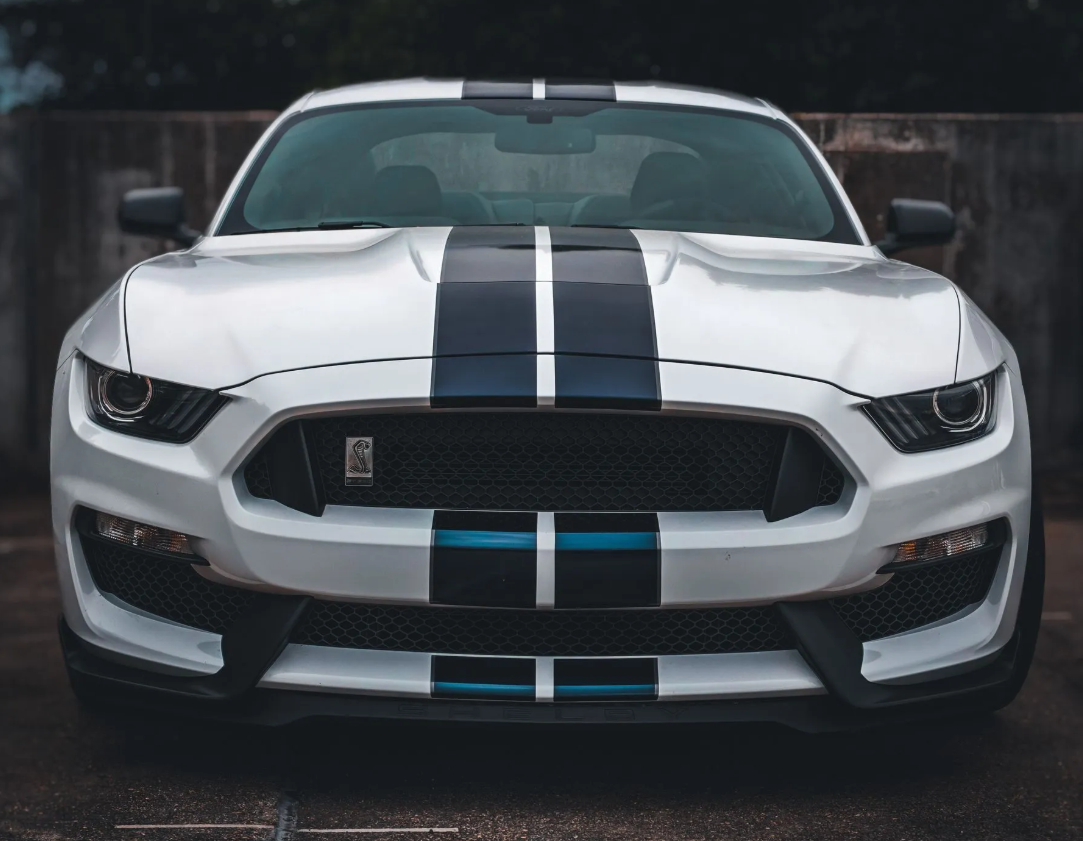
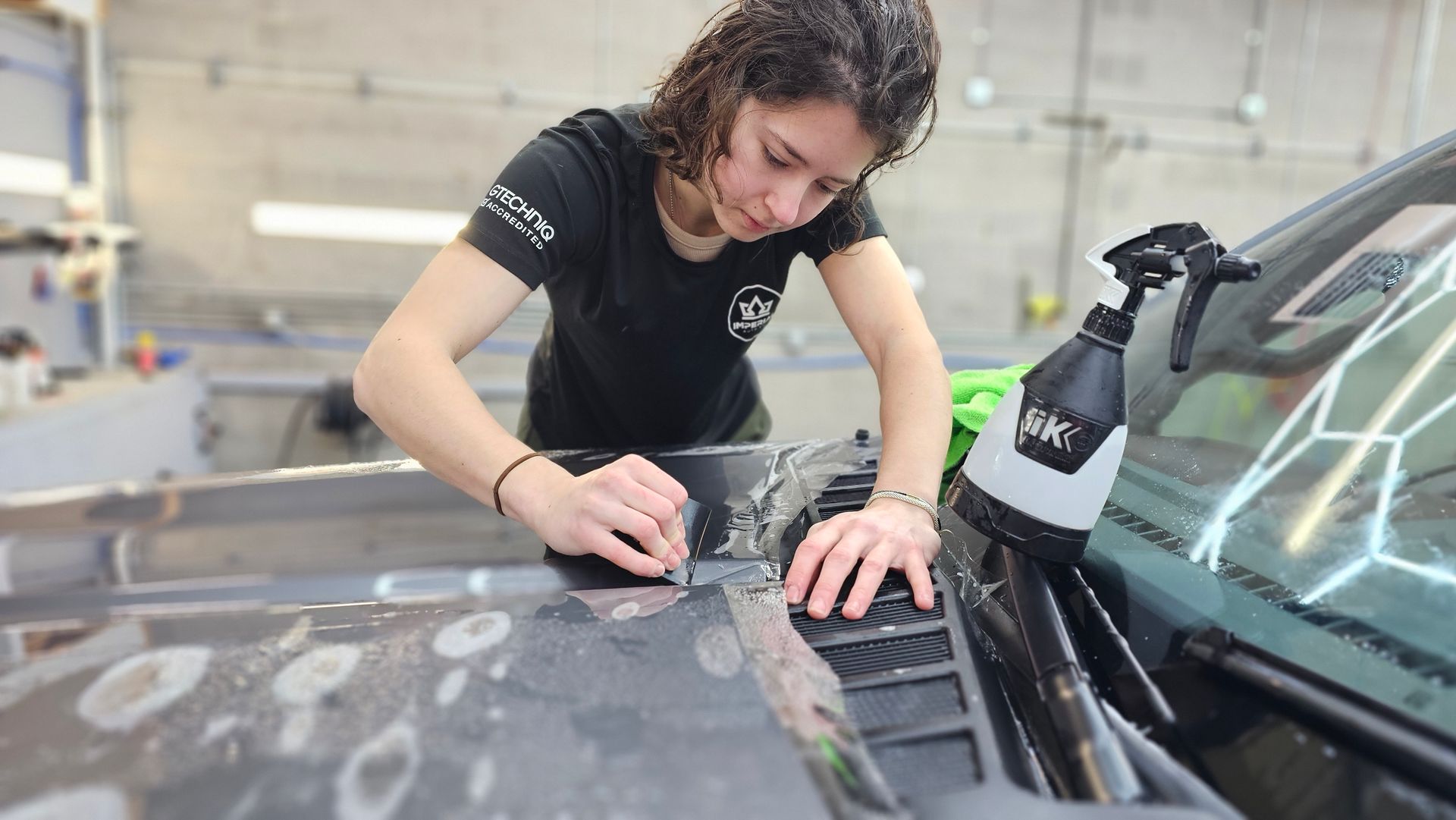
Many car owners worry that PPF will change their vehicle’s appearance, imagining a cloudy sheen or noticeable thick layer. Premium clear PPF products are engineered to be nearly invisible, maintaining the exact visual qualities of your car’s original factory finish.


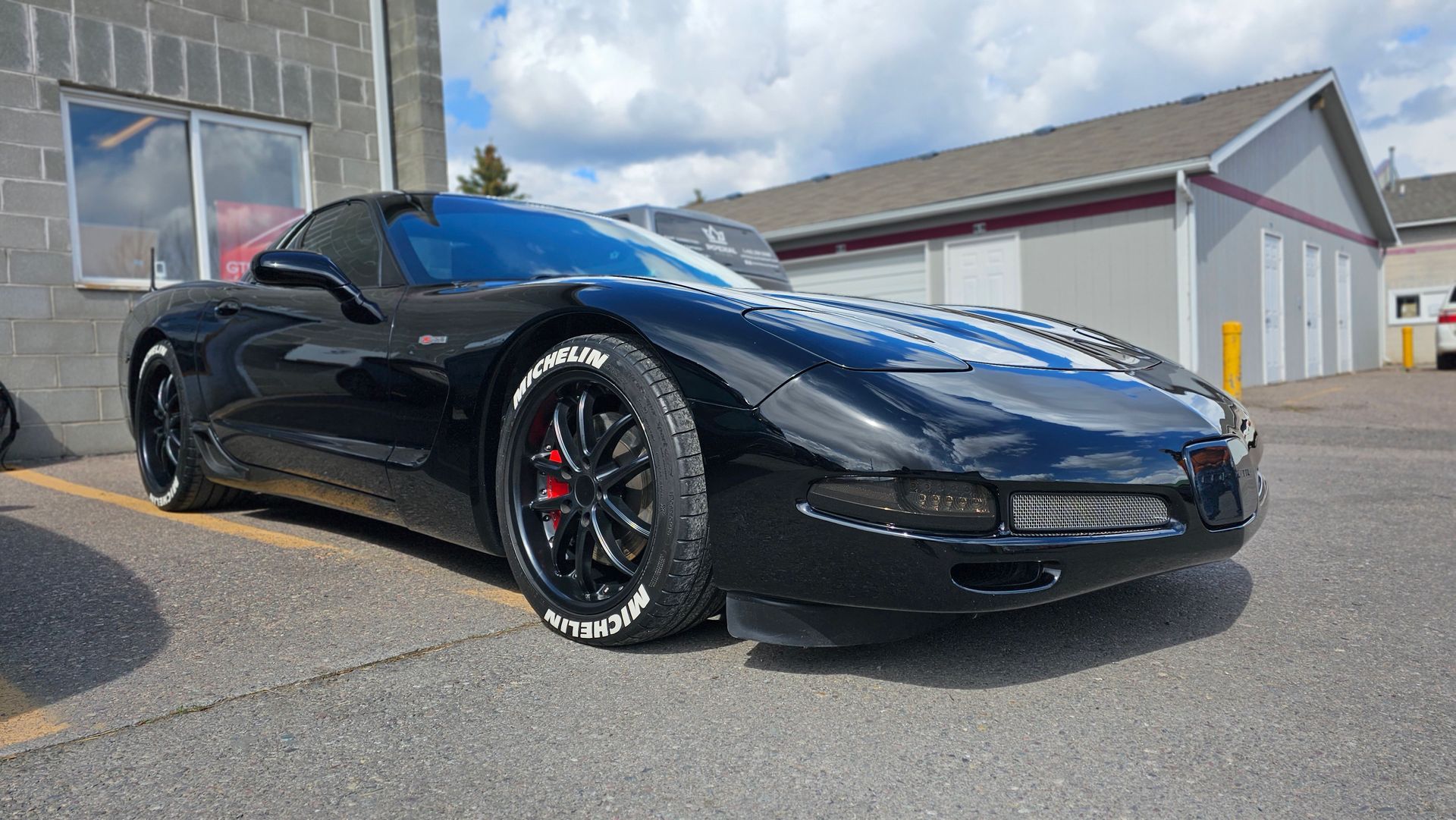
High quality PPF alters color hue and saturation by less than 2 percent, differences virtually imperceptible to the human eye. These films can also smooth out minor paint texture imperfections, resulting in a slight gloss boost often described as a “wet look,” especially noticeable on darker vehicles. Rather than diminishing your car’s beauty, a properly installed premium PPF can subtly enhance it.


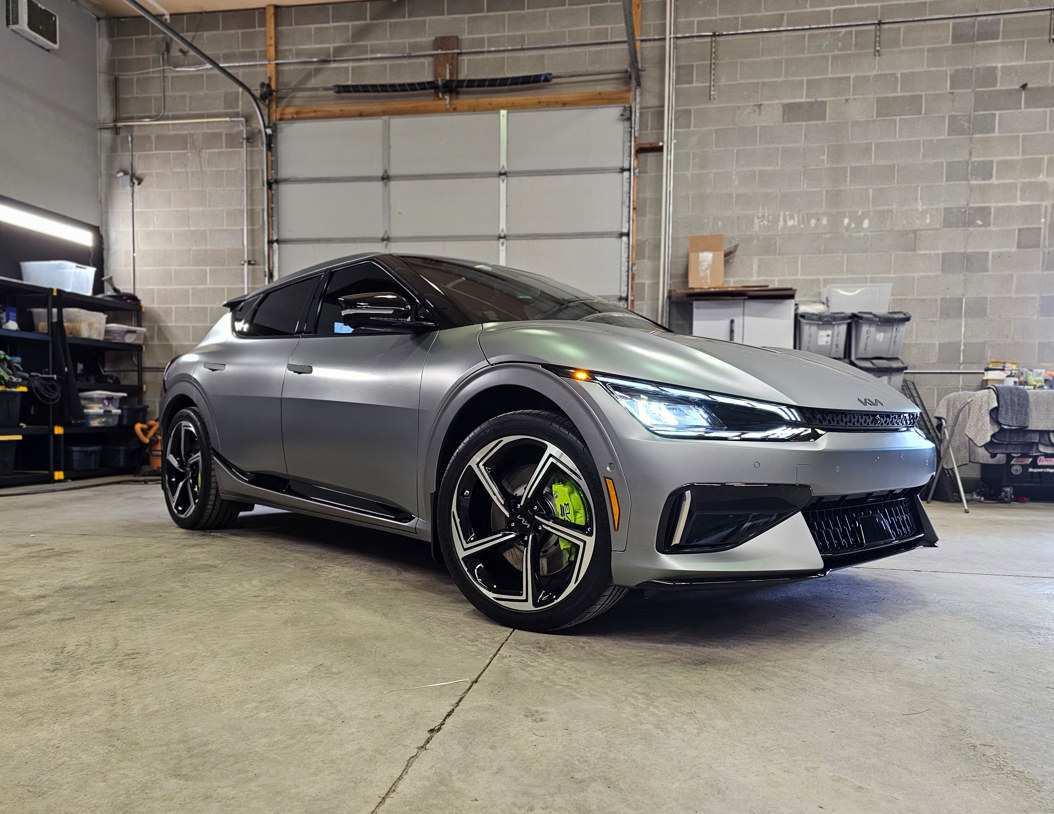
Optical clarity depends heavily on quality of both the film and its installation. Poor installations in dusty environments often produce bubbles, lifting edges, or trapped debris. Specialty finishes like matte or colored wraps will create visible changes by design, but these should not be confused with transparent paint protection films.


DIY Kits vs. Professional Installation


Many car owners are drawn to DIY PPF kits for the upfront savings. Modern kits come with pre cut films, instructions, and basic tools. However, your home garage is hardly a dust free cleanroom like professional shops where temperature and humidity are controlled to optimize adhesion. Even minute dust particles or inconsistent pressure can lead to bubbles, wrinkles, or edges lifting over time.


Professional installers bring years of hands on experience paired with high end equipment such as infrared heaters to cure adhesive layers and eliminate moisture traps. Their familiarity with tricky curves and vehicle specific nuances means fewer mistakes that could compromise protection or longevity.

While DIY kits cost a fraction of professional installation, mistakes requiring patching or panel replacement can erode those savings. Poorly installed film may also yellow or peel earlier than it should. The choice isn’t simply about saving money upfront. It’s about balancing effort, risk tolerance, and quality.


PPF Requires No Maintenance


While PPF significantly reduces effort compared to bare paint, it does not make your vehicle maintenance free. Contaminants such as bird droppings, tree sap, and bug splatter contain acidic elements that can etch into the film if not promptly removed. Monthly washing with a pH neutral soap formulated for PPF is necessary to maintain effective protection.


Avoid harsh cleaners, abrasive tools, and high pressure washers along film edges, as these can lift seams and compromise adhesion. Annual professional inspections help catch hard to see issues such as tiny edge lifting or embedded dirt that home inspections might miss.


Seasonal care matters too. During summer heat, the film’s self healing properties activate more efficiently, with minor swirl marks vanishing naturally under sunshine. In winter, thorough rinses to remove road salt prevent corrosion underneath the film. For vehicle owners in areas with harsh winters and gravel heavy roads, staying on top of salt removal is especially important.

Myth Reality
PPF damages paint on removal Proper removal leaves paint intact
All PPF turns yellow Modern TPU films resist yellowing 7 to 10+ years
Only for new cars Used cars benefit with prep and correction
Alters appearance Premium films are nearly invisible
DIY equals professional Professional installs prevent common issues
Ceramic coating replaces PPF Each protects differently; best used together
No maintenance needed Regular gentle cleaning extends life

Protect Your Paint With the Right PPF


Don’t let outdated PPF myths keep you from protecting your vehicle. Modern Paint Protection Film can help defend your paint against rock chips, scratches, road debris, UV exposure, and everyday contaminants while maintaining your vehicle’s original appearance.


At Imperial Auto Spa, we use quality PPF and professional installation techniques to deliver long-lasting protection tailored to your vehicle. Whether you drive a daily commuter, truck, SUV, or performance car, we can help you choose the right protection.


Ready to protect your vehicle? Call us at 406-239-2088 or schedule consultation online for a free PPF quote and discover the right solution for your car.


Frequently Asked Questions


What are the most widespread misconceptions about Paint Protection Film among car owners?

The most widespread misconceptions are that PPF is only for luxury cars, that it yellows over time, and that anyone can install it flawlessly as a DIY project. In reality, PPF benefits all car owners by shielding paint from chips and scratches, with modern films boasting self healing properties to fix minor abrasions automatically.


Are there any limitations or downsides to using PPF that are often overlooked?

PPF can yellow or peel if exposed to harsh chemicals or improper washing techniques, particularly with budget films. Installation quality matters significantly; a poor job can lead to bubbling or edges lifting. PPF requires quality materials, professional installation, and basic maintenance to perform at its best.


How does Paint Protection Film actually protect a vehicle compared to popular beliefs?

PPF doesn’t just make your car look glossy. It absorbs rock chips, scratches, and minor chemical stains that clear coats alone can’t handle. It provides a physical barrier thick enough to take real impacts, helping reduce paint repairs and keeping factory shine intact over the long haul.


What maintenance practices are essential for maximizing PPF effectiveness?

Regular cleaning with gentle, pH balanced car wash soap and a microfiber cloth are essential. Avoid abrasive cleaners or automatic car washes with harsh brushes. Applying a quality ceramic coating on top of PPF can enhance UV resistance and hydrophobicity, extending its lifespan.


How can car owners differentiate between reliable information and myths about PPF?

Consult certified installers, verified industry experts, and reputable automotive sources rather than relying on hearsay or social media buzz. Cross checking facts with manufacturer guidelines and trusted automotive forums helps you make a well informed decision about protecting your paint.

Share this article

Recent Posts

ceramic coating vs wax
By Chad Matson August 20, 2026
Compare ceramic coating vs wax to learn which offers better UV, chemical, and long-term paint protection for modern vehicles.
car ppf
By Detailers Roadmap SEO June 25, 2026
Learn the differences between PPF and vinyl wraps, including cost, lifespan, protection levels, and customization options.
PPF over ceramic coating
By Detailers Roadmap SEO June 25, 2026
Learn if PPF can be applied over ceramic coating, key installation tips, curing times, benefits, and common mistakes to avoid.
Black Mercedes-Benz G-Class SUV parked outside a building, front view.
May 26, 2026
Learn how to install Paint Protection Film with this beginner-friendly DIY guide covering prep, application, and maintenance.
Silver sports car with red accents parked outside a building
May 26, 2026
Learn how PPF and ceramic coating preserve your car’s paint, reduce damage, and improve long-term resale value.
A maroon car hood wrapped in clear plastic, with a green microfiber cloth on top and an American flag reflection.
October 27, 2025
Discover why Paint Protection Film is a smart investment for Missoula drivers. Learn about benefits, costs, and professional installation at Imperial Auto Spa.
Hands applying clear protective film to a black car’s rear taillight area
October 27, 2025
Thinking about getting Paint Protection Film for your Tesla? Our guide breaks down the costs for a full wrap vs. partial coverage on different models.
Black BMW in a garage beside a blue car, both covered in soap suds and water spray.
October 27, 2025
Discover the difference between Paint Protection Film (PPF) and ceramic coating to see which is right for your car, and why using both is the ultimate solution.
PURE PPF logo in gray text on a white background
October 24, 2024
Color Change PPF! 
Gloved hand polishing a blue car windshield with an orange cloth
October 24, 2024
EXO V5 in Action
Show More