UV Protection for Vehicle Paint
Ultraviolet light breaks down paint and clear coat over time, contributing to fading and oxidation. A ceramic coating adds a protective layer that helps shield the clear coat from UV exposure. How much protection you get depends on the product, application, and upkeep.
Montana summers bring long days of strong sun, and vehicles parked at trailheads, job sites, and boat launches get plenty of it. A coating works best alongside regular washing and shade or garage parking when possible. It cannot restore paint that has already faded, so if the finish is dull or oxidized,
paint correction comes first.
What Affects Coating Durability
Professional coatings are generally rated from about a year to several years, and real-world results depend on a few factors:
• Surface preparation: oils, polish residue, or contamination can interfere with an even bond.
• Product and application: formulas differ, and curing mistakes shorten performance.
• Exposure: sun, road salt, gravel, and outdoor parking add wear.
• Washing habits: harsh chemicals, abrasive tools, and brush-style automatic washes wear a coating down faster.
• Maintenance: compatible care products and periodic decontamination keep it performing.
Our four Gtechniq
ceramic coating packages range from entry-level EXO options to multi-year Crystal Serum Light Black and Crystal Serum Ultra Black packages, with Crystal Serum Ultra Black as our longest-lasting option. Both Serum packages include a guarantee, which we explain during your quote.
Why a Coating May Stop Beading
Less beading does not always mean the coating is gone. Road film, minerals, and soap residue can build up on top and mask its water-repellent behavior, so wash the vehicle thoroughly and check again on the clean surface. If performance is still weak, a professional decontamination wash or a maintenance product approved by the coating maker can often bring it back.
Application and Care for Lasting Protection
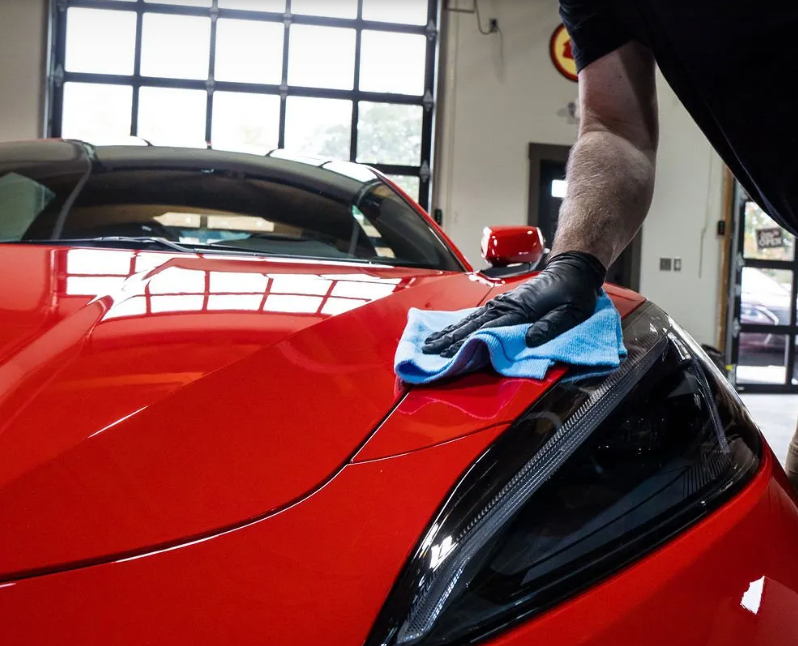
A coating locks in the paint's condition, and swirl marks can look more noticeable afterward. That is why we decontaminate, buff, and polish every car, truck, or SUV before coating it, no matter how new it is. Our process follows four stages:
• Prepare: wash, decontaminate, and polish so the coating bonds to clean, smooth clear coat.
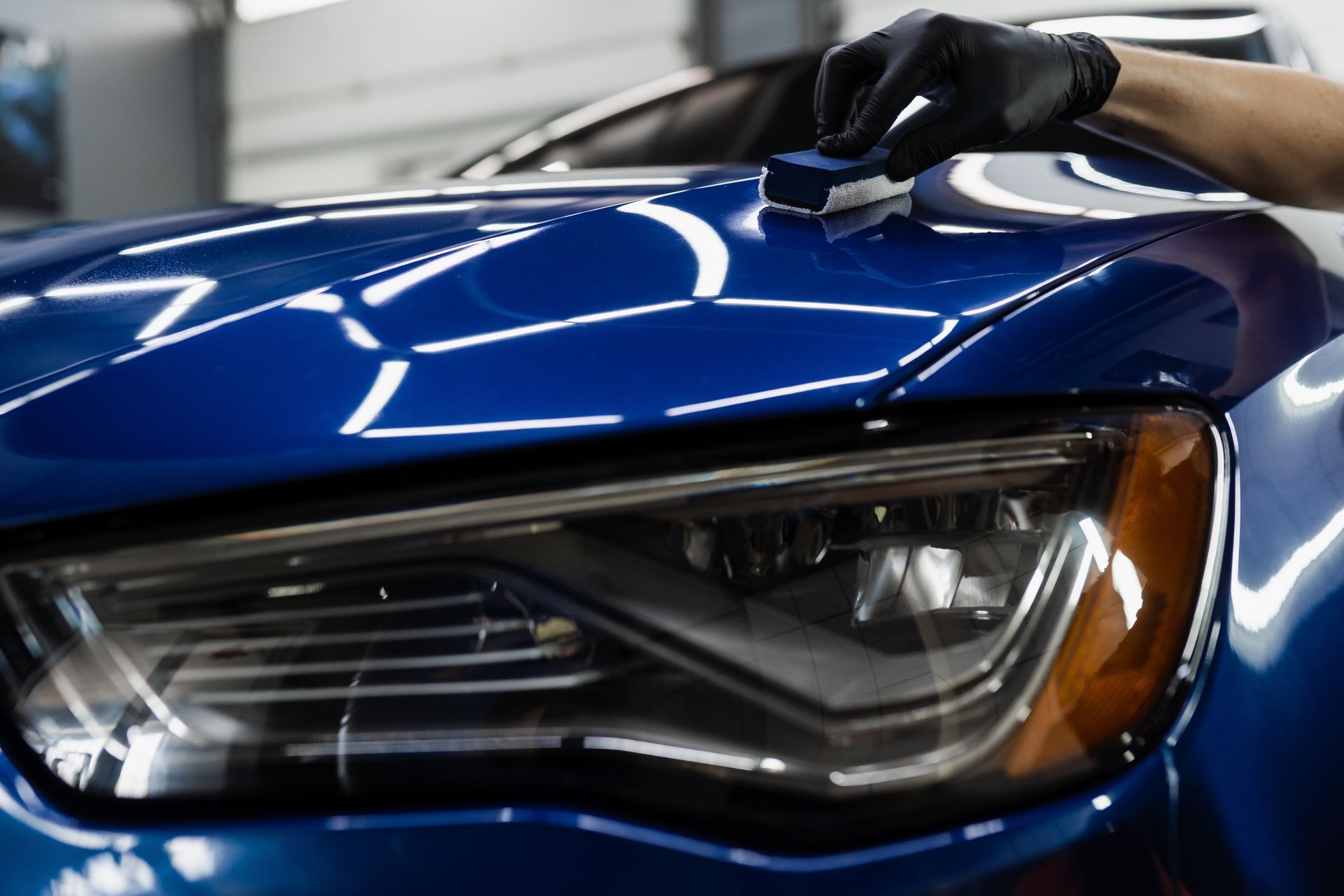
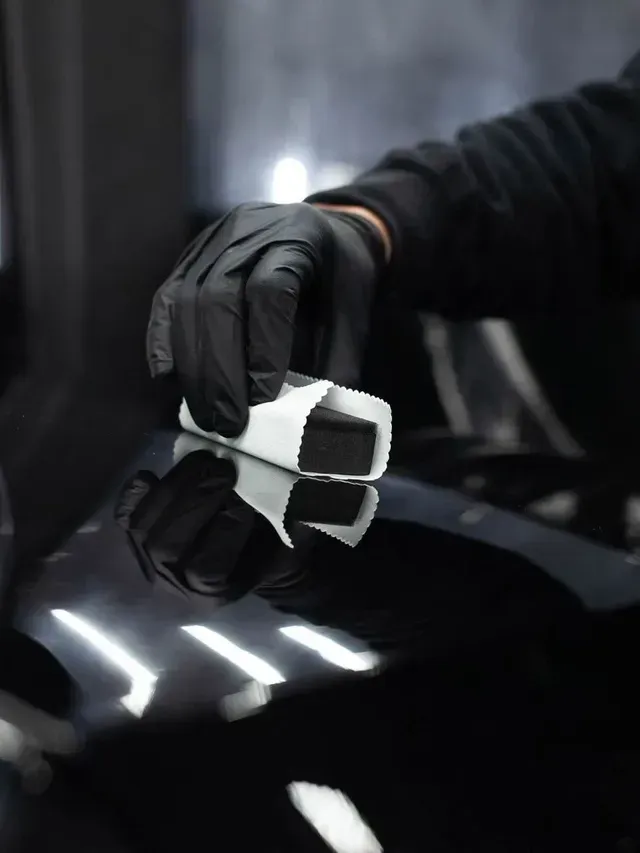
• Apply: hand-apply the coating panel by panel, following the manufacturer's leveling and wipe-off timing.
• Cure: keep the vehicle dry and protected for the curing period the product requires.
• Maintain: wash gently, dry carefully, and schedule periodic decontamination.
Our EXO packages typically take one day, while our Serum packages take one to two days. Afterward, avoid brush-style automatic washes and harsh degreasers, and check with us before adding a topper. Regular
exterior detailing is one of the best ways to extend the life of your protection.
Get Hydrophobic Protection Built for Montana Roads
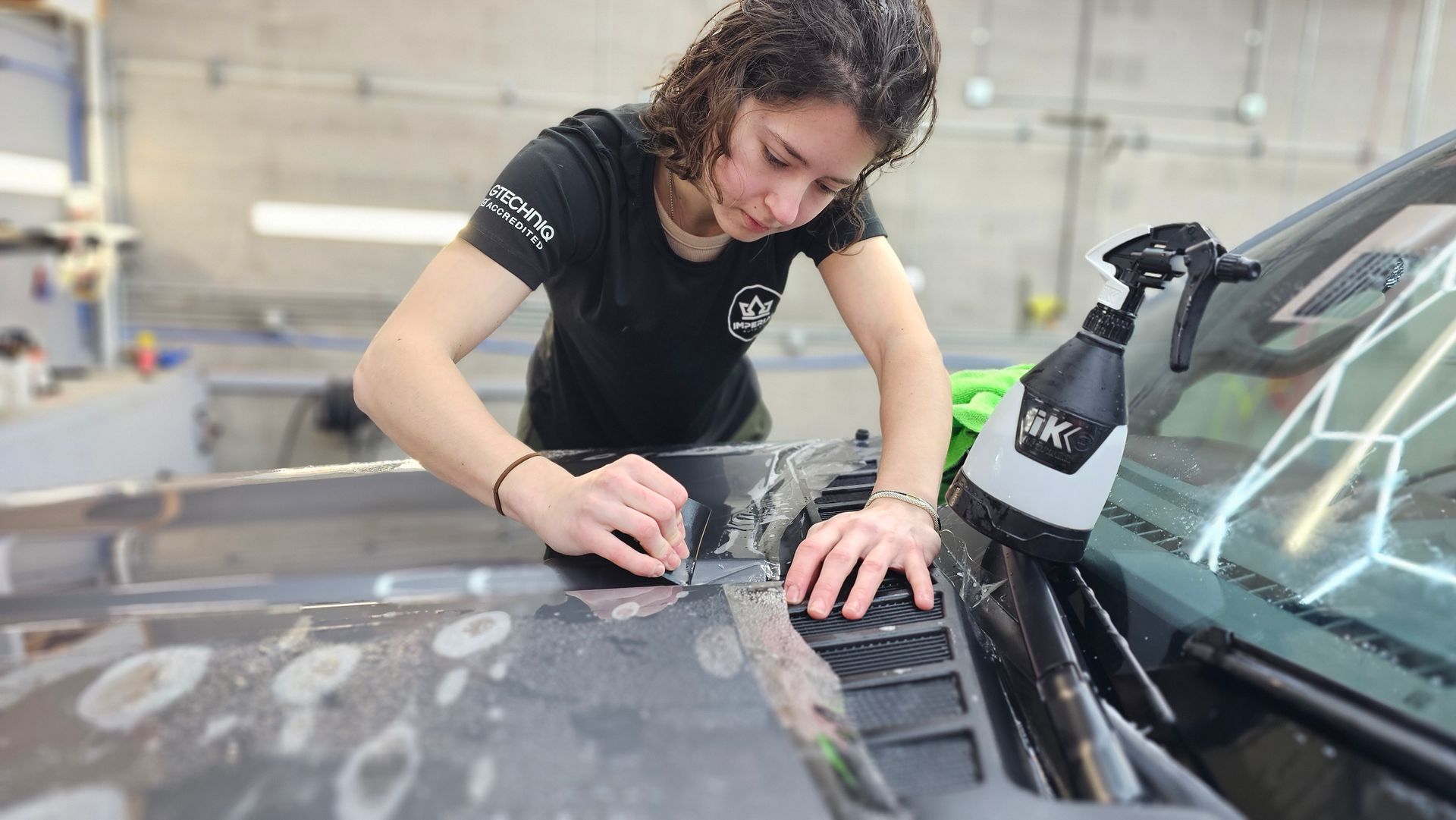
Want a finish that sheds water, mud, and road grime instead of holding onto it? Our Gtechniq-certified team at
Imperial Auto Spa hand-applies every coating at our Missoula shop, and we practice with new products on test panels before they touch a customer's vehicle. We coat cars, trucks, and SUVs for drivers in Missoula, Lolo, Florence, Stevensville, Hamilton, Polson, Kalispell, and nearby communities.
Every job starts with a free quote. Call us at
406-239-2088,
request your free quote online, or visit 2603 Industry St, Suite F1, Missoula, MT 59808, Monday through Thursday from 8:00 am to 6:00 pm. We'll look at your paint, recommend the package that fits how you drive, and explain exactly what care it needs.
Frequently Asked Questions
How does a ceramic coating create a hydrophobic surface?
It bonds to the clear coat and cures into a smooth, low-surface-energy layer. Water is more attracted to itself than to that surface, so it forms tight beads that roll off instead of spreading into a film.
How long does a ceramic coating's water-repellent effect last?
Professional coatings are generally rated from about a year to several years, depending on the product, prep, driving conditions, and upkeep. Our EXO packages are the entry-level option, while our Crystal Serum packages are multi-year options.
Why did my ceramic coating stop beading water?
Usually something is sitting on top of it. Road film, minerals, and soap residue can mask hydrophobic behavior. A thorough wash and decontamination often restores beading. If not, the coating may be due for maintenance or reapplication.
Does a ceramic coating prevent water spots?
Not completely. Water leaves a coated surface faster, which lowers the chance of spotting, but droplets that dry in place can still leave mineral deposits. Drying after washing is the best prevention.
What surfaces can a ceramic coating protect?
Depending on the package, a coating can protect paint, exterior plastic and vinyl trim, headlights, taillights, wheel faces, door jambs, and glass. Our Crystal Serum Light Black and Crystal Serum Ultra Black packages cover all of these.
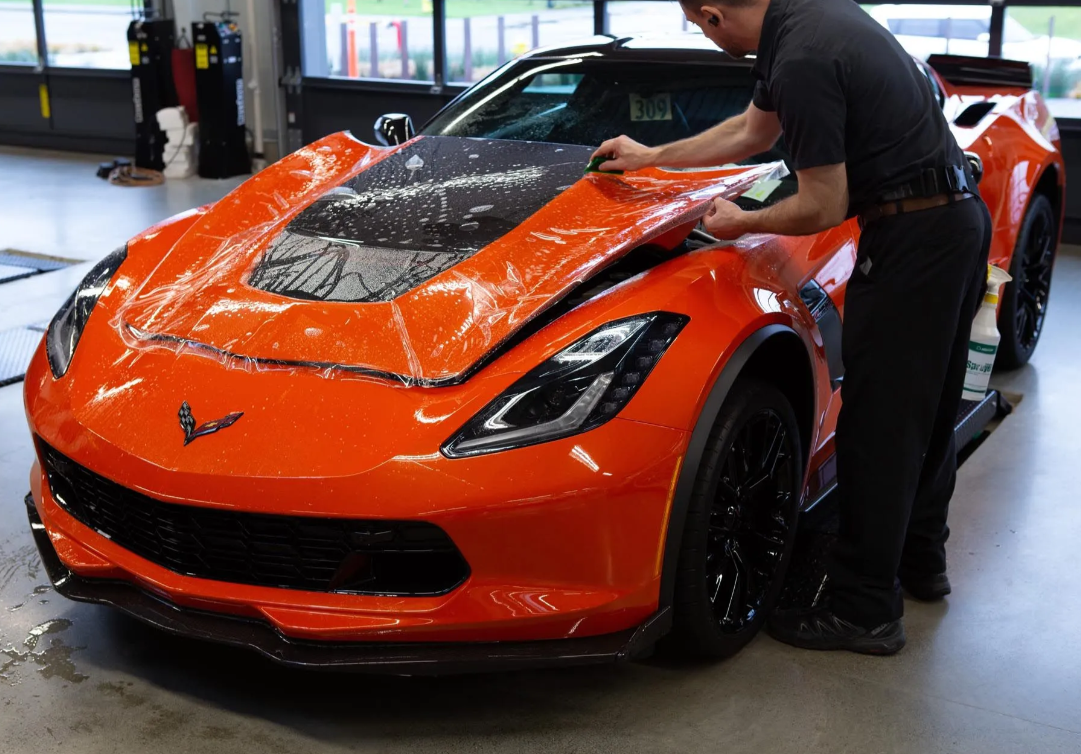
Does a ceramic coating stop rock chips?
No. A coating resists light marring and chemical contamination, but it cannot absorb impacts from gravel. For chip protection,
paint protection film is the better choice, and it can be paired with a coating.
Do ceramic coatings prevent stains, corrosion, or UV damage?
They reduce the risk. Bird droppings, sap, and road salt are easier to remove before they cause damage, and the coating helps slow UV fading. Coatings are not stain-proof or rust-proof, though.
Do I need paint correction before a ceramic coating?
In most cases, yes, because a coating locks in the paint's current condition. Our coating prices cover the coating itself, so we pair it with the right paint correction package for your total price.
How should a coated vehicle be cleaned and maintained?
Rinse first, wash with a pH-neutral shampoo and a clean mitt, and dry with a soft microfiber towel. Avoid abrasive pads, harsh chemicals, and brush-style automatic washes.