How Long Does Ceramic Coating Last? The Truth About Durability on Montana Roads
A professionally applied ceramic coating lasts anywhere from about one year to five years or more, depending on the coating you choose, how well the paint is prepared, and how you care for it afterward. At Imperial Auto Spa, our entry-level Gtechniq EXO packages are rated for 12 to 24 months, Crystal Serum Light Black for 3+ years, and Crystal Serum Ultra Black for 5 years. Where your vehicle lands in that range comes down to Missoula's gravel roads, winter salt, strong high-elevation sun, and your washing habits.
Below, we break down what those ratings mean, what shortens them, and how to get every month of protection you paid for.
How Long Ceramic Coating Lasts by Coating Type
A ceramic coating is a liquid polymer that chemically bonds to your vehicle's clear coat. Once it cures, it forms a hard, transparent layer that repels water, dirt, and road film. The formula itself sets the ceiling on lifespan. A single-layer entry coating adds gloss and water repellency for a shorter period, while a hard, multi-layer coating is built to last for years.
Here is how the four hand-applied
ceramic coating packages we offer compare:
| Package | Rated Durability | Turnaround |
|---|---|---|
| EXO Ceramic Coating Package (Starter Protection) | 18 to 24 months | 1 day |
| EXO Ceramic Coating | 12 months | 1 day |
| Crystal Serum Light Black Ceramic Coating | 3+ years | 1 to 2 days |
| Crystal Serum Ultra Black Ceramic Coating | 5 years | 1 to 2 days |
Both Crystal Serum packages include an extra top coat of Gtechniq EXO, plus coverage on wheel faces, all automotive glass, headlights, taillights, and door jambs, and they come with a guarantee (ask us for the terms). For reference, Gtechniq rates the Crystal Serum Ultra product for up to nine years with proper maintenance, while our Crystal Serum Ultra Black package is rated for five years.
Keep in mind that a rating assumes reasonable care. A garage-kept sedan driven mostly on city streets will fare differently from a pickup that runs gravel roads out to Seeley Lake every weekend. The coating is the same; the conditions are not.
How Montana Weather Affects Coating Life
Montana is harder on coatings than milder parts of the country, and it starts with temperature. A dark hood can get too hot to touch on a July afternoon, then sit below zero on a January night. That expansion and contraction, repeated season after season, tests every protective layer on your vehicle.
UV exposure adds to the load. Missoula sits at roughly 3,200 feet, where sunlight is stronger than many drivers expect. A coating helps shield paint from fading and oxidation, but years of direct sun will gradually wear down any polymer layer. Parking in shade or under a carport during the summer months buys the coating extra life.
Winter brings its own challenges. Road crews across Missoula and the Bitterroot Valley spread salt and sand to keep highways passable, and those particles blast lower panels, bumpers, and rocker areas at speed. A coating handles this far better than bare paint or wax, but the grit still causes slow wear. Rinsing the lower body and undercarriage after a salted drive on Highway 93 south toward Hamilton or I-90 west toward Superior removes the harshest contaminants before they sit for days. Our guide to seasonal paint protection in Missoula covers the full year in more detail.
Spring and summer add sap and pollen. Sap from the ponderosa pines and cottonwoods around town can stick hard to paint if it is left alone. A ceramic coating gives you a wider window to wipe it away cleanly, but it does not make sap harmless if you ignore it for a week.
None of this means Montana destroys a quality coating. It wears it down gradually, and knowing that helps you plan maintenance realistically.
What Ceramic Coating Won't Protect Against
A ceramic coating protects against UV, chemical stains, and everyday contamination, but it is not impact protection. Gravel kicked up by a truck on I-90 can still chip the paint underneath, and any chip or crack in the coating needs to be repaired.
If rock chips are your biggest worry,
paint protection film is the better tool for high-impact areas like the hood, bumper, and mirrors. Many owners pair STEK PPF on the front end with a ceramic coating over the rest of the vehicle. If you are deciding between the two, our article on
whether to get PPF or ceramic coating first walks through the timing.
Why Preparation and Installation Matter
The biggest variable in whether a coating reaches its full rating is the surface underneath it. The coating bonds to whatever it touches. If the paint is contaminated, swirled, or oxidized, the coating bonds over those flaws instead of clean, smooth clear coat, and it seals them in place.
That is why we decontaminate, buff, and polish every vehicle before installation, regardless of age. New vehicles need it too, because swirl marks and light scratches from the dealer lot become more visible once a coating goes on. Our paint correction process removes those defects through staged polishing so the coating can form the strongest possible bond. For that reason, coating pricing is combined with a paint correction package to arrive at your total.
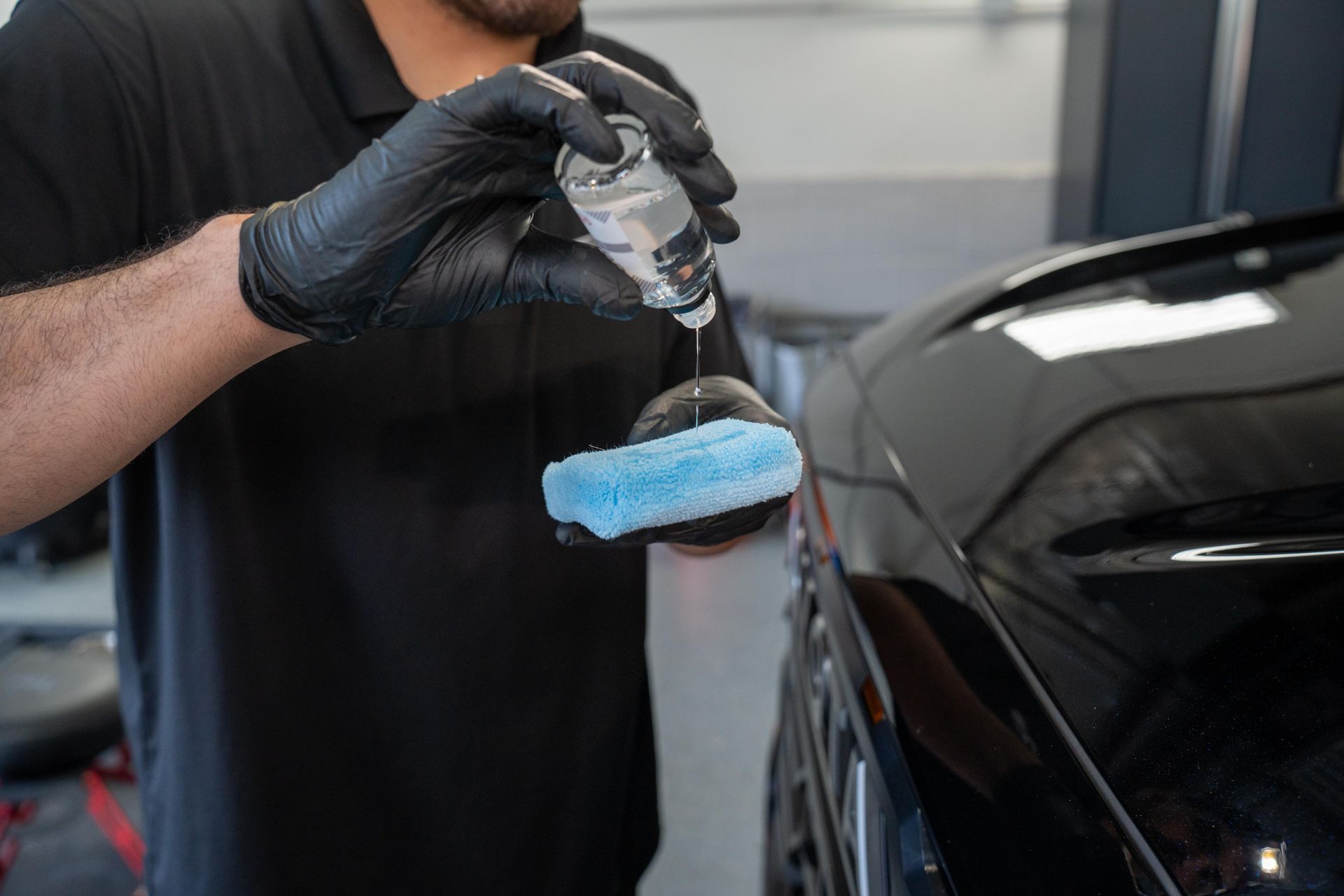
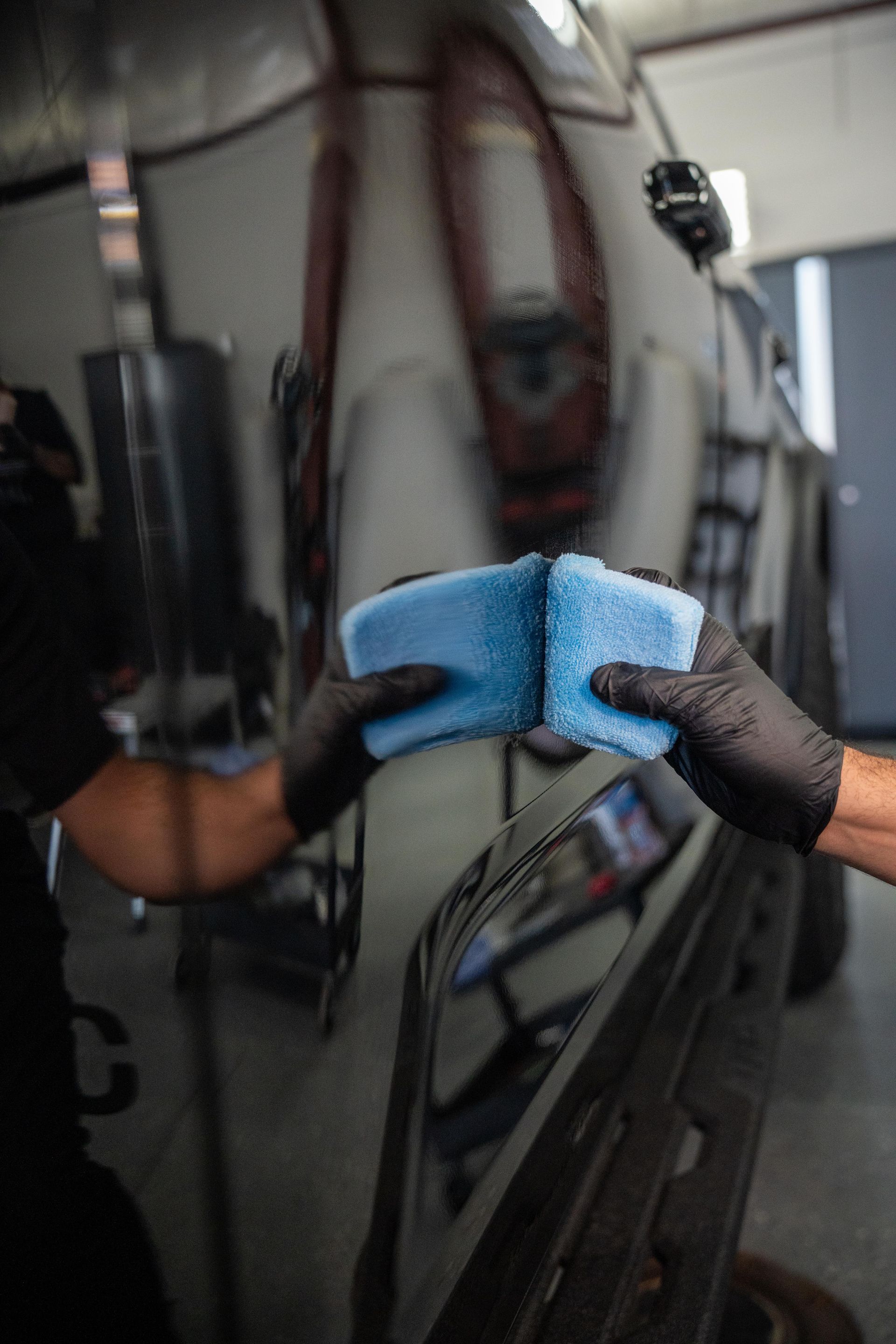
Our team is a Gtechniq Authorized Installer and certified in STEK paint protection film installation. We also spend time every year researching new paint protection products, and we practice on test panels long before a new coating or film ever touches a customer's vehicle. Every coating is applied by hand in our shop, which produces a more uniform layer than a driveway application on a windy October afternoon.
Care That Helps Your Ceramic Coating Last
Once the coating has cured, your maintenance habits take over. The good news is that a coated vehicle is easier to keep clean. The slick, hydrophobic surface sheds water and resists dirt, so washes take less effort and grime rinses away instead of clinging to the paint.
How you wash matters more than how often. Automatic washes with spinning brushes and harsh soaps are the fastest way to dull a coating, because abrasive washing can swirl and scratch the surface. A simple routine goes a long way:
- Hand wash with a pH-neutral car shampoo, the two-bucket method, and a clean microfiber mitt.
- Rinse lower panels, wheel arches, and the front bumper after driving on salted or sandy roads.
- Remove bird droppings, sap, and bugs within a day or two.
- Park in a garage, under a carport, or in shade whenever you can.
- Schedule professional exterior detailing to keep the coated surface fully decontaminated.
For a full walkthrough, see our guide on how to wash a ceramic-coated or PPF-protected car. You do not need to baby your truck; gentle washing and proper drying are enough.
Signs Your Ceramic Coating Is Wearing Thin
A coating rarely fails all at once, and the signs are easy to spot. Water that used to bead into tight droplets starts to sheet slowly or sit flat on the hood. Dirt and road film cling after a rinse instead of sliding off. The paint feels less slick under a clean microfiber towel, and the deep gloss you had after installation looks flatter, especially on horizontal panels that see the most sun.
Sometimes those signs only mean the surface needs a proper decontamination wash. Other times, the coating has reached the end of its life and it is time to recoat. If you are unsure which applies, we can take a look and give you a free quick quote.
Get Lasting Ceramic Protection at Imperial Auto Spa
Montana gives your paint a harder workout than most places in the country, so your coating needs to be chosen and installed with that in mind. At Imperial Auto Spa, we match each vehicle to the right Gtechniq package, prep the paint properly, and give you straightforward aftercare guidance so you get the full life out of your investment. We work on everything from work pickups and sedans to sports cars, classic muscle, minivans, and Teslas.
Drivers come to us from across Missoula and the surrounding area, including Florence, Stevensville, Hamilton, Darby, the Mission Valley, Polson, Kalispell, Butte, Superior, Drummond, and Lolo. If you are comparing options for car ceramic coating in Missoula, stop by our shop at 2603 Industry St, Suite F1, Missoula, MT 59808, Monday through Thursday from 8:00 am to 6:00 pm.
Every customer gets a free quick quote, with no pressure to commit. Call us at 406-239-2088 or contact Imperial Auto Spa online to find out which coating package fits your vehicle and your Montana driving.
Frequently Asked Questions
How long does ceramic coating last on a car or truck?
Most professional ceramic coatings last between one and five years. At Imperial Auto Spa, our EXO packages are rated for 12 to 24 months, Crystal Serum Light Black for 3+ years, and Crystal Serum Ultra Black for 5 years, assuming proper washing and maintenance.
Does Montana winter weather shorten ceramic coating life?
It can. Road salt, sand, and gravel slowly wear the coating's surface, and extreme temperature swings add stress. Rinsing the lower body after salted drives and avoiding brush car washes helps the coating reach its full rating.
Does ceramic coating protect against rock chips?
No. A ceramic coating resists UV, chemicals, and contamination, but it does not stop impact damage from gravel. Paint protection film is the right choice for rock chip protection on high-impact areas.
Do new vehicles need paint correction before ceramic coating?
Yes. New vehicles often arrive with swirl marks and light scratches, and those become more visible once a coating is applied. We decontaminate, buff, and polish every vehicle before coating, regardless of age.
Can I take a ceramic-coated vehicle through an automatic car wash?
We recommend avoiding automatic washes with spinning brushes or harsh soaps. Abrasive washing can swirl and scratch the coating. A gentle hand wash with a pH-neutral shampoo is the safest option.
How do I know when my ceramic coating needs to be reapplied?
Watch for water that no longer beads, dirt that clings after rinsing, and paint that feels less slick or looks less glossy. A decontamination wash sometimes restores performance; if it does not, it may be time to recoat.
How much does ceramic coating cost?
Pricing depends on the package you choose and the level of paint correction your vehicle needs, since coating prices are combined with a paint correction package. Call us at (406) 239-2088 for a free quick quote.